Restaurants & Food Service
Health inspections don't wait for a good week
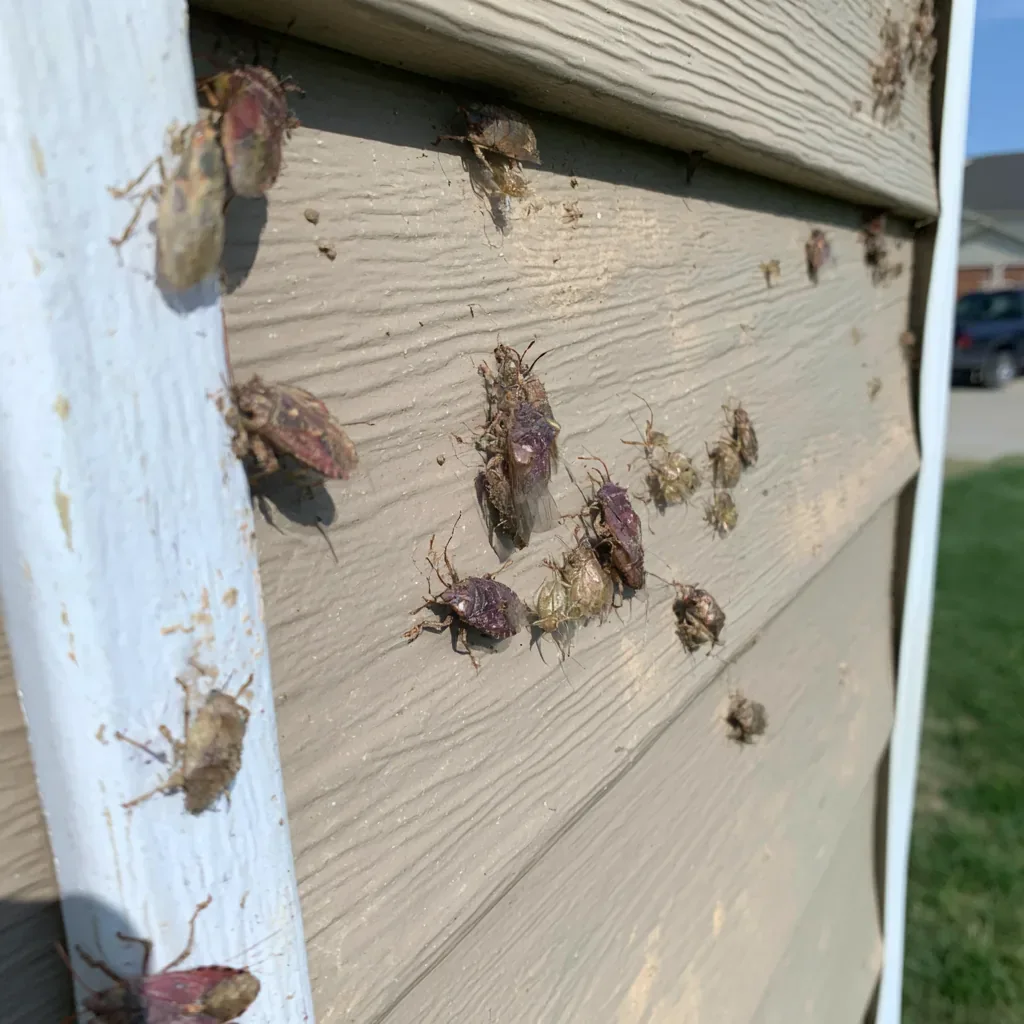
The desk that reports the problem is rarely the room causing it.
Office pest reports almost always come from a desk or the break room, but the source is usually a shared wall, a ceiling void, or a floor box the tenant does not control alone. Fixing it means finding where the building's shared spaces meet the suite, not just treating the desk that made the call.
An office suite in Downtown Clearwater or along Cleveland Street holds little an insect wants. Carpet, desks, a copier room. Then one break room carries a sink, a refrigerator and a counter where crumbs collect faster than anyone notices. That room, not the open floor, decides whether the suite stays clean or draws a complaint.
That break room runs warm and damp on its own schedule, fed Monday through Friday and left alone all weekend. Roaches and ants both read that as an invitation. A tenant near Fort Harrison Avenue or Missouri Avenue can hold a clean desk area and still lose the argument if the shared kitchenette goes unchecked over a long weekend.
So an inspection should start in the break room and move outward, the way the pests actually travel rather than the order complaints came in. Sink cabinet, waste area, then out toward the perimeter wall. A suite near Gulf to Bay Boulevard shares that wall with whatever the neighboring tenant is doing, whether it shows up on a lease or not.
Office waste is thin and late, which suits ants and roaches fine. A desk bin with a wrapper in it. A can left in the break room past Friday. None of it looks like much until an occupant walks past a visitor's desk and sees ants tracking along the baseboard toward Old Coachman Road-facing windows.
Cleaning contracts in a Clearwater office suite often make this worse than the posted standard suggests. A crew that empties bins three nights a week leaves two nights when everything sits untouched. A crew told to skip the break room floor because it is tenant space leaves exactly the strip where crumbs and ants meet.
Fixing it costs nothing. Lidded bins in the break room, food waste carried out nightly rather than left in a desk bin until Monday, and a clear line on who empties what. That line matters more in a subdivided older building near the Cleveland Street District, where three tenants share one waste closet and nobody signed up to own it.
An office suite near Fort Harrison Avenue or out toward Countryside rarely covers a whole floor, so the pest problem is never fully inside anyone's lease. A shared ceiling void runs past several tenants, carrying ants and roaches from a neighbor's break room into yours. The occupant who finds the trail first usually didn't cause it, but they're the one explaining it to a client at the front desk.
Which is why the evidence shows up somewhere odd instead of near the break room. Droppings on a ceiling tile above a desk far from any food. A gnawed corner on a box stored in a supply closet. An occupant reports it where it was seen, but where it was seen is rarely where the population lives.
That also explains why chasing a mouse around one office gets nowhere. The activity is above the ceiling void and inside the wall cavity, not at desk level, so a tenant working only their own suite is working a fraction of where the problem actually sits. The rest belongs to whoever holds the roof and the shared risers.
From late spring the calls in Clearwater change shape. A line of ants shows up on a window ledge, along a glazed partition, or near the break room outlet. Reputation is what an office tenant actually protects here, since a visitor waiting at reception sees that line before anyone from the suite does.
In an office, the person who reports a problem is rarely near its source. A desk near the break room hears about ants because that is where food sits, but the trail usually starts at a wall gap or a floor box two rooms over. Chasing the report instead of the source wastes the visit.
Clearwater's older buildings along Cleveland Street and Fort Harrison Avenue were often divided into smaller suites long after they were built, so a wall that looks solid on a floor plan may have a gap above the ceiling tile where two tenants' spaces actually meet, unlabeled and unsealed.
A tenant near Coachman Park who books a Saturday inspection avoids the awkwardness of a technician walking past occupied desks, but scheduling around a lease with shared common areas takes more coordination than a standalone building near Countryside ever needs.
A suite inside a larger building, whether downtown or out toward US Highway 19, shares its ceiling void, its riser shafts and often its roof with every other tenant on the floor. Sealing your own break room does nothing if the neighboring suite's kitchenette is feeding the same gap.
Worth asking before signing a service scope: does the lease make the landlord responsible for pest control in shared corridors and risers, or only inside the suite. If it is silent, a tenant near Island Estates or Harbor Oaks may be paying to treat a problem that keeps returning from next door.
Bayfront to inland, the pros we connect you with reach every blockCountryside, Largo and Palm Harbor. Near Countryside or Belleair but not quite inside the zone, ask anyway since routes often reach that far
For businesses along Gulf to Bay Boulevard or Missouri Avenue, figure an estimated $89–$249 per visit as a starting point. How often you need service and what records health inspectors expect both push that band higher.Commercial walkthroughs around Clearwater, from Cleveland Street storefronts to Countryside offices, cost nothing and end with a written scope, not a verbal guess. Nothing gets scheduled until the paper matches what was discussed. Full bands sit on the /cost page. pricing guide, and the commercial overview covers how a scheduled program works.
Health inspections don't wait for a good week
Yes, and for a Clearwater office suite it is standard rather than a special favor. Early before staff badge in, or evenings once the floor clears, keeps the work off the same hours a visitor or an occupant would notice it. Ask the pros you connect with to schedule around your suite's actual traffic rather than a fixed slot.
Only the tenant suite, unless the source sits in shared space. A landlord handles common-area issues like a lobby or a shared waste room under s. 83.51, F.S.; a tenant's own break room or desk clutter in a Cleveland Street District suite is the tenant's problem to report and the landlord's problem to fix once it's flagged. Sorting which one applies is what keeps a single ant trail from turning into a lease dispute.
Work your suite and put the rest in writing. A tenant near Fort Harrison Avenue can seal what is reachable inside the lease line, set monitors along the shared wall, and send the landlord or property manager a dated note about the boundary. That note is what keeps the next complaint from becoming only your cost.
By keeping the break room itself boring. Lidded bins, food out nightly rather than parked in a desk bin, and one person accountable for the waste closet even in a subdivided building near Downtown Clearwater. A tenant that owns those three habits rarely needs to explain an ant line to a visitor at reception.
If a coworker in a Clearwater office suite has flagged ants near a desk or something moving in the break room, the next useful step is finding where the shared wall or ceiling void connects to it. Talk to the licensed pros we connect you with about what a proper inspection covers.
Call (727) 558-4422