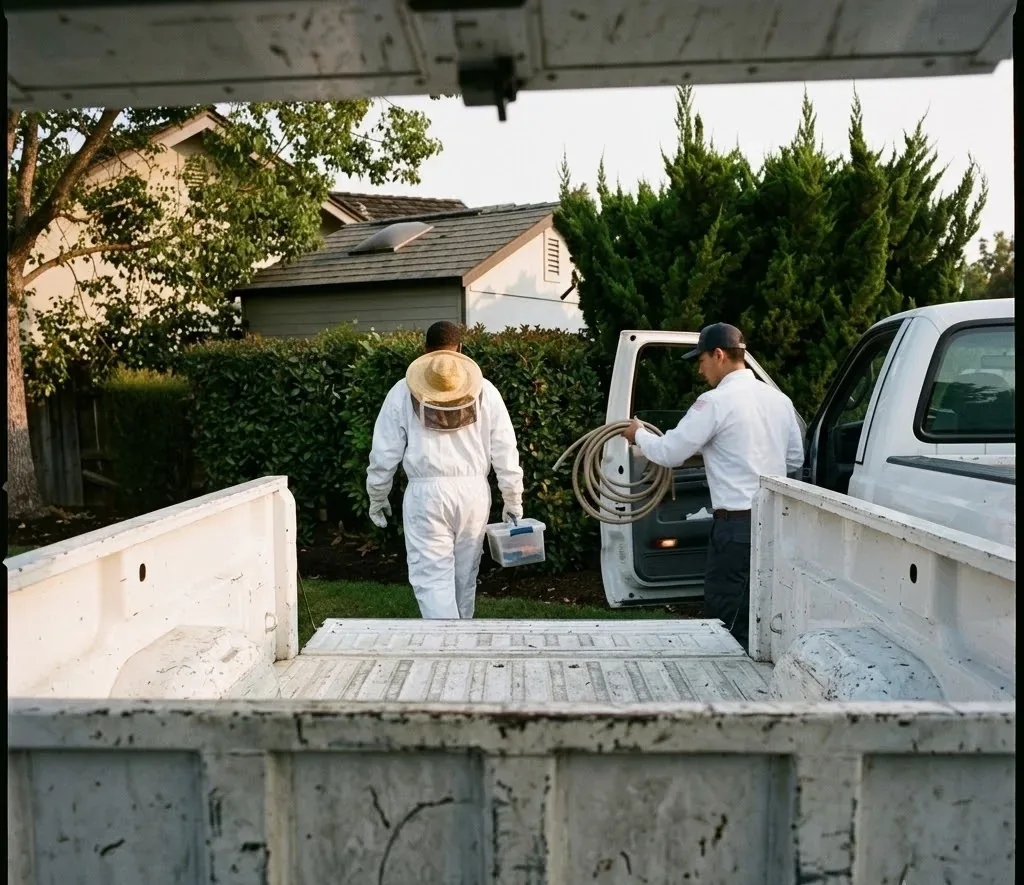
Mosquito & Tick Control
Barrier treatment for the standing water, wood lines, and shrub beds where mosquitoes and ticks actually live.
Learn about Mosquito & Tick ControlDunedin's older housing stock, from circa-1900s homes to mid-century bungalows, means more original wood and more termite and ant entry points than newer construction.
Dunedin sits just north of Clearwater along Alternate US 19, its brick-lined downtown built up over a longer stretch than most of Pinellas County. Circa-1900s homes near downtown sit beside mid-century bungalows from the 1940s through 1960s, plus later infill, and none of them have a basement — slab or pier foundations are the norm here. That range of ages means a range of entry points: old shiplap and window trim on the historic homes, weep holes and stucco gaps on the newer infill. Sandy soil drains fast after a downtown rain, but it also makes for easy subterranean termite tunneling along the foundation perimeter. Clearwater homeowners moving to Dunedin for the walkable core often ask what changes with an older house, and the honest answer is the inspection has to look harder at original wood.
From Island Estates seawalls to Countryside yards, what draws pests in shifts block by block across Clearwater.
What you mostly find in Dunedin is 1920s-50s bungalows in the historic downtown core, newer waterfront homes near the causeway. Tile and shingle roofs both give way at the ridge and the valley over time, and once a soffit return opens up, the attic becomes the easiest space in the house to get into.
Close to St. Joseph Sound, humidity stays high enough year-round that nothing really dies back. Cardboard in a garage, mulch banked against the wall and stacked pots all turn into harborage in those conditions, and clearing them is often half the job.
Rainy season from June through September keeps sandy soil damp near foundations, which favors subterranean termites and pests seeking moisture indoors. A recurring visit beats waiting for a call-out, since Clearwater's warmth means there's always another wave building somewhere.
A fair share of the work around Dunedin is not single-family. Shared walls let pests move between units, so treating one space on its own rarely holds and the building gets looked at as a whole.
Home size, pest type, and how bad the problem is by the time you call all move the number up or down.
| Service | Estimated cost |
|---|---|
| Mosquito & Tick Control | an estimated $69–$139 |
| Rodent Exclusion | an estimated $189–$499 |
| Commercial Pest Control | an estimated $89–$249 |
| General Pest Control | an estimated $99–$239 |
Downtown Dunedin's brick-lined streets sit near some of the county's oldest homes, raising wood-pest inspection needs.
Alternate US 19 links Dunedin to Clearwater, making quick scheduling straightforward for either direction.
Mid-century bungalow blocks near downtown see routine ant and termite entry-point work tied to older construction.
Barrier treatment for the standing water, wood lines, and shrub beds where mosquitoes and ticks actually live.
Learn about Mosquito & Tick Control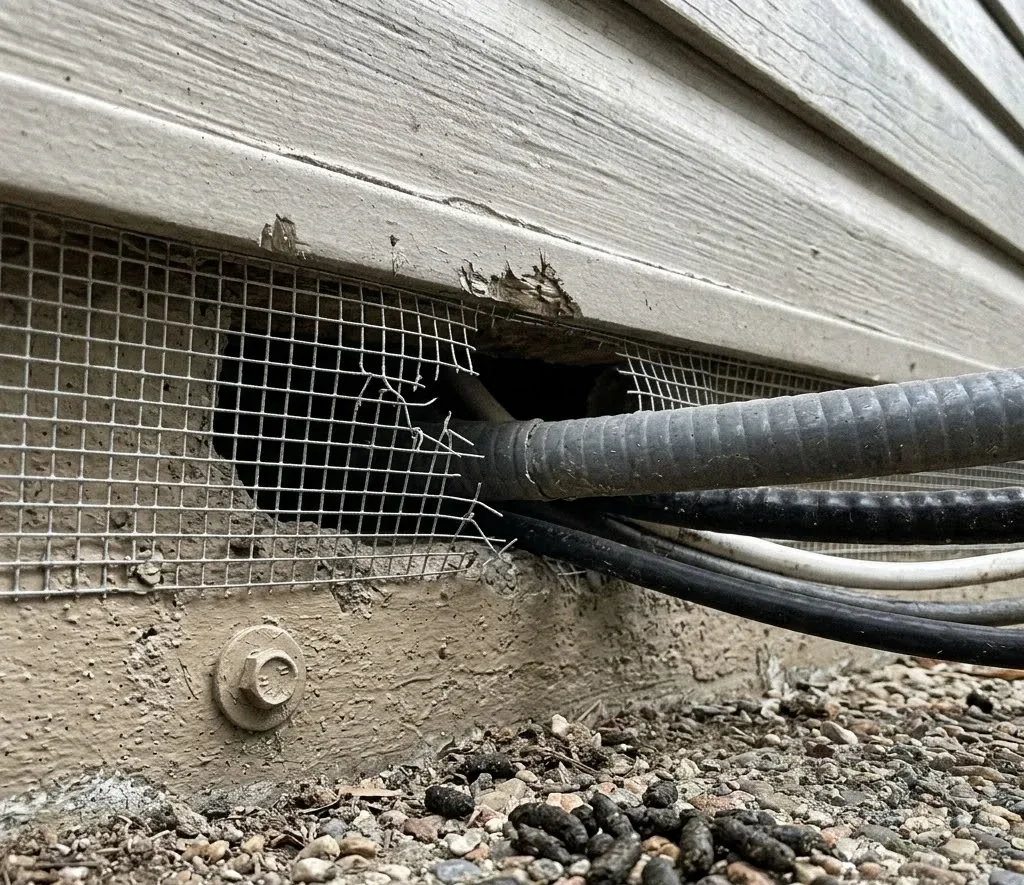
Trapping clears what's inside. Sealing the entry point stops the next one from moving in.
Learn about Rodent Exclusion
Documented pest control built for audits, health inspections, and facilities that can't afford a surprise.
Learn about Commercial Pest Control
One plan for the ants, roaches, spiders and silverfish that never really leave a Clearwater house alone.
Learn about General Pest ControlOften, yes. The circa-1900s homes near downtown have more original wood trim, siding, and framing exposed at ground level than newer construction, which gives subterranean termites more points of entry. A ground-level inspection around the foundation and any pier supports is worth doing yearly on these older properties.
Yes. The licensed pros we connect you with handle everything from circa-1900s homes near downtown to 1990s and later infill. Treatment approach shifts with the house — older wood framing gets closer inspection, newer slab construction gets a standard perimeter and entry-point check.
The mid-century bungalows common in Dunedin have settled foundations and older exterior seams around windows and doors, which ants use to get past the perimeter. Ghost ants and other small species follow moisture indoors, especially after heavy rain pools near the slab.
Dunedin is a short trip up Alternate US 19 from Clearwater, so scheduling is usually within a day or two, sooner if the problem is urgent, like an active termite swarm or a wildlife entry in the attic.
Yes, that inspection matters more here than in newer subdivisions. Circa-1900s and mid-century homes have original wood elements at or near ground level, so the check covers siding, trim, and any pier or foundation wood, not just the usual slab perimeter.
Palmetto bugs don't wait for a season here. Between Island Estates and Countryside, homes on slab foundations give American cockroaches an easy path in through soffits and gaps near Belcher Road properties. Rainy season pushes them and standing water mosquitoes indoors early. The licensed pros we connect you with handle inspection and treatment without guessing at what's actually in your walls.
If you are near Harbor Oaks, Del Oro Groves or anywhere else inside this coverage area, a call settles whether the visit can happen and when. Clearwater properties near the water table often show different pressure than ones further from Old Tampa Bay, so location shapes what gets checked first. The look is free regardless of what turns up, and anything urgent after a heavy rain event usually gets bumped ahead of routine calls.
Call (727) 558-4422