Rain, tide, and heat set the stage
This mosquito breeds in tiny, temporary containers rather than ponds or marshes, and Clearwater yards are full of them. Plant saucers, clogged gutters, tarps, birdbaths, and anything left outside near Island Estates or Sand Key properties can fill during a rain and become a nursery within days.
There's no real off season here. Clearwater's mild winters never bring the kind of cold that stops mosquito breeding elsewhere, so eggs laid in a container near Old Bay District or Countryside can hatch as soon as water and warmth line up again, often within a week.
American cockroaches, often called palmetto bugs, show up in Downtown Clearwater's older buildings and newer places alike, drawn in from damp ground near Stevenson Creek or Alligator Creek. They're bigger and bolder than the roaches people expect, and seeing one outside isn't unusual. Seeing several inside is the point where it's worth a second opinion.
What Sets This Pest Apart
- Size and color
- Small, dark body with sharp white stripes on legs
- Marking
- Single white stripe running down the center of the back
- Bite timing
- Feeds through daylight hours, unlike most mosquitoes at dusk
- Breeding site
- Tiny amounts of standing water, not ponds or ditches
- Range
- Stays low, rarely flies more than a few hundred feet
- Rain Trigger
- Active year-round, worst during rainy season from June through September after heavy storms
- Going rate
- an estimated $69–$139
Not Sure Which One You Have?
Common house mosquitoes. The yellow fever mosquito looks almost identical, both black with white markings, both active by day. The difference is on the back: the Asian tiger mosquito has one white stripe straight down the center of its thorax, while the yellow fever mosquito has a curved lyre pattern of white lines. Both breed in the same small containers, so the distinction matters less for prevention than for tracking disease risk.
Matching the Fix to Pinellas County Conditions
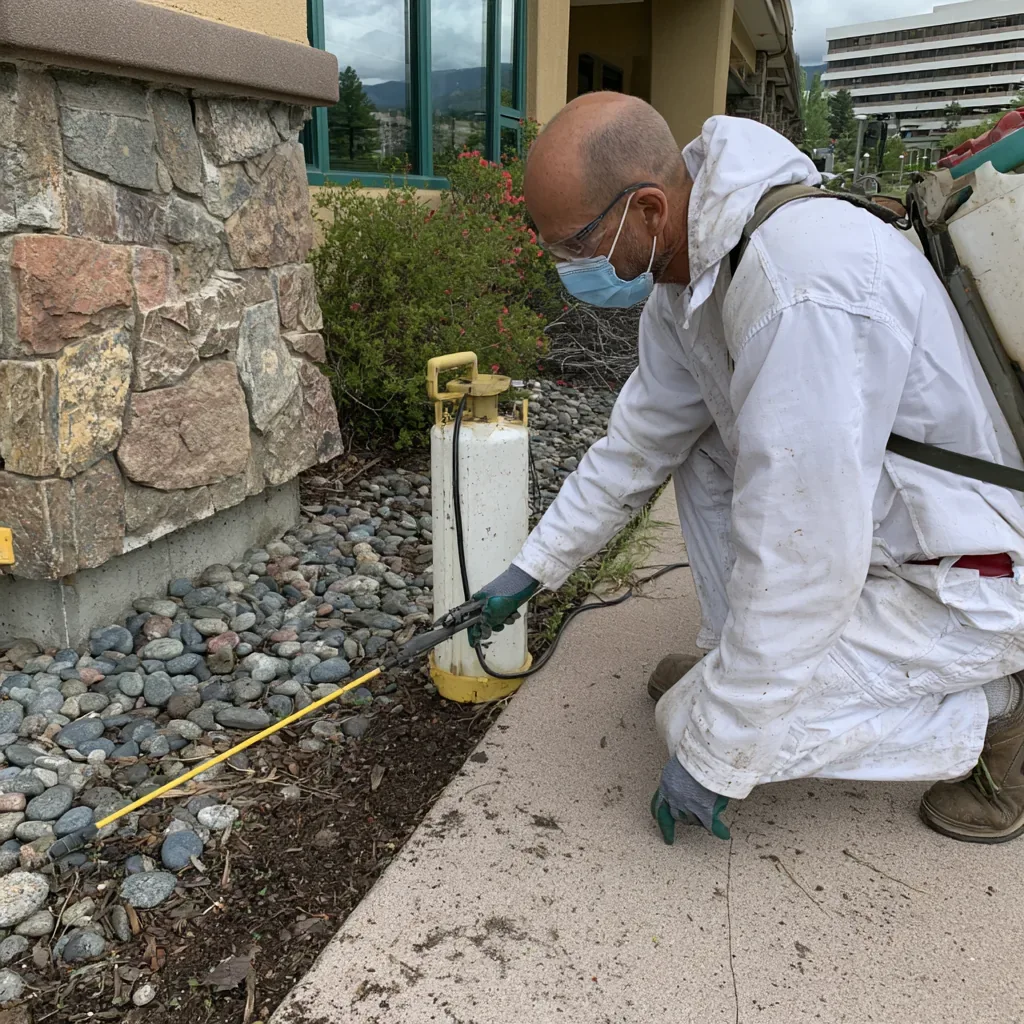
The work starts with finding where the water actually is, not just where the mosquitoes are seen. A pro walks the property looking at gutters, low spots near Alligator Creek or Stevenson Creek runoff, plant saucers, and anything holding rainwater, because that's the entry point for the next generation, not the yard in general.
Standing water that can't be removed gets a larvicide instead of a spray, since killing larvae in place stops the next brood before it flies. Adult mosquitoes resting in shaded shrubs and under decks get a targeted barrier treatment, timed around Clearwater's rainy season when numbers climb fastest.
Standing water after a rainy-season downpour near Alligator Creek or the Pinellas Trail draws mosquitoes fast, and slab homes from Skycrest to Countryside give ants and roaches a dozen quiet entry points at grade. Soffits and attics matter too, since that's how squirrels and raccoons get into a Clearwater roofline. A quick inspection usually settles what's actually happening.
SIGNS YOUR CLEARWATER HOME NEEDS THE ONGOING PLAN
| Next Move |
What Fits Here |
|---|
| One trouble spot, not a spreading pattern | Ongoing seasonal plan |
| One fix that never quite finished the job | Year-round protection |
| A colony already settled under the slab or roofline | Stops today's problem and tomorrow's |
Sprays You Can Buy Versus What Actually Ends The Problem
You can cut numbers around a house by emptying anything that holds water for even a day: saucers under potted plants, clogged gutters, a kiddie pool, an upside-down trash can lid. Asian tiger mosquitoes breed in tiny amounts, so a bottle cap counts. Check bromeliads and tarps after every Clearwater rain. What you cannot fix yourself is a neighbor's yard, a storm drain, or an infestation spread across several properties, which is when a targeted treatment does more than another bucket dumped out.
What Clearwater Homes Deal With
The bite itself is the daily nuisance, sharp and immediate, usually on the ankles or arms since this mosquito bites low and during the day. It is also a recognized vector for viruses including dengue, and Florida has tracked local transmission risk tied to this species and its cousin, the yellow fever mosquito. Most bites in Clearwater cause itching and nothing more, but a household with several biting insects active at once around dusk is worth a real inspection, not just more repellent.
What a Clearwater visit costs
A number on a page can't see your soffits or your slab. Get a figure that fits your house, not a stranger's in Island Estates.Clearwater inspections are free, and technicians write the number down before touching anything, whether the job is Skycrest ants or a Harbor Oaks roach problem. No verbal estimate you have to remember. See the price bands and what changes them on the /cost page. pricing guide, and the service that handles this is Mosquito & Tick Control.