
Homeowner Tips
How Often to Schedule
Monthly, quarterly, or one-time. How pest schedules should actually be built around a Clearwater property, not a generic calendar.
Read article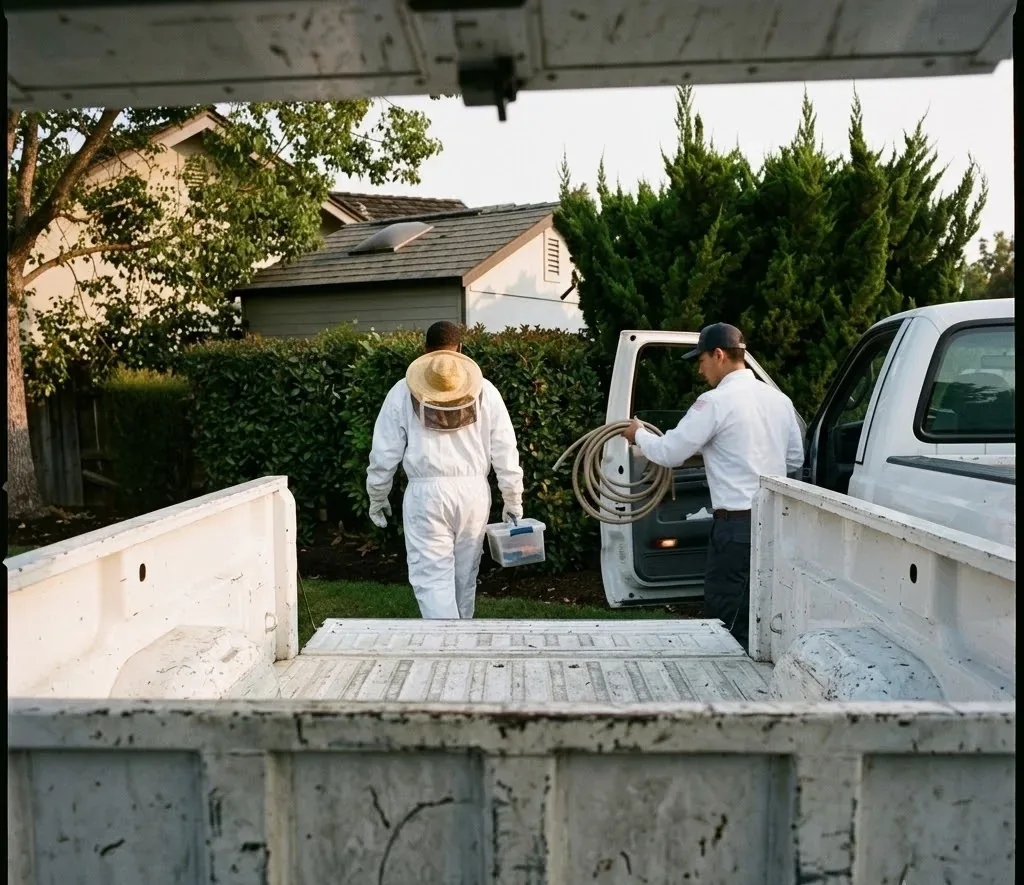
Barrier treatment for the standing water, wood lines, and shrub beds where mosquitoes and ticks actually live.
Clearwater's rainy season, June through September, is when standing water shows up fastest: clogged gutters, plant saucers, low spots near Alligator Creek and Stevenson Creek drainage, and anything that holds water after a downpour. That's where mosquitoes breed, not evenly across the yard. Barrier treatment targets where adults actually rest and where eggs actually hatch.
Ticks are a different problem than mosquitoes, even though they show up on the same call. They quest along the wood line and shaded lawn edge, not the open grass, so a yard backing up to Moccasin Lake Nature Park or dense landscaping in Countryside needs that transition zone treated specifically, separate from mosquito resting sites near the house.
Mosquito & Tick Control in Clearwater, FL isn't one-size-fits-all, whether you're in Countryside, Largo, Palm Harbor, or elsewhere around Clearwater, we tailor the treatment to your property and the way mosquitoes behave here. That local focus is what separates a lasting fix from a temporary one.
Nearly all of this work is residential. residential pest control covers the approach for houses; commercial and multi-unit buildings are handled under commercial pest control.
If sitting on the patio after sunset means slapping at your ankles within minutes, mosquitoes are resting in nearby shrubs and mulch beds, and a barrier treatment there is what changes that.
Ticks after time near the wood line or a shaded lawn edge mean an active questing zone on the property, not a fluke, and it needs its own targeted pass.
A clogged gutter or a saucer under a potted plant breeds mosquitoes in days; leaf litter and overgrown edges near a fence line hold ticks. Both are what treatment goes after first.
We walk the yard and mark standing water, gutters, the wood line, and shaded harborage where mosquitoes and ticks breed and rest.
We flag standing-water sources for removal or larvicide treatment, the step that does the most for keeping mosquito numbers down long-term.
We treat resting foliage, shrub beds, and the lawn-to-woods tick edge separately, since mosquitoes and ticks harbor in different spots on the same lot.
Visits repeat roughly every three to four weeks through rainy season to stay ahead of new adults, then space out as pressure drops.
Slab homes here sit low to the yard, with landscaping right up against the walls, so shaded shrub beds and mulch near the foundation double as mosquito and tick harborage close to the doors people actually use, not somewhere out at the property line.
Pinellas County's mosquito control program tracks local activity and standing-water complaints countywide; a barrier program on your property works alongside that, not instead of it, since county spraying covers public right-of-way, not your yard.
Florida-licensed technicians apply EPA-registered products under Chapter 482, F.S., which governs pest control statewide; FDACS licenses the business, not the city or county.
Cost swings on square footage, entry points, and whether it's a one-time visit or ongoing. Clearwater FL Pest Control Pros sends the licensed pros we connect you with to look first, then quotes it in writing before anything starts.
| Licensed pros | Local knowledge | Same-day response |
|---|---|---|
| One-Time Visit | Local pest control for Clearwater homes from Sand Key to Countryside | an estimated $60–$145 |
| Spot treatment | Pest Control From Downtown Clearwater To Sand Key | an estimated $70–$210 |
| No contract | Pest Pressure Around Clearwater's Bays, Canals, and Slab Foundations | an estimated $105–$335 |
| Best for single problem | Year-Round Pest Pressure From Clearwater Beach To Countryside | an estimated $165–$555 |
No number here is locked in, since your slab foundation and soffit condition swing it either way. See what changes the range in the Clearwater pricing guide before you compare quotes.
A barrier treatment knocks down the resting population in the treated zones, often enough to use the yard at dusk again. It won't stop mosquitoes flying in from a neighbor's standing water or a nearby low spot.
Through rainy season it's typically every three to four weeks, since new adults emerge and rain washes product off foliage. Drier months can sometimes stretch longer between visits.
Yes, once the mosquito and tick treatment dries, usually within an hour. We'll give you a re-entry window before anyone or any pet goes back on the grass. Applications target the wood line, shrub beds, and resting harborage, not open play areas, so exposure stays low.
Yes. Tick pressure builds at the wood line and in shaded ground cover, so that gets its own barrier pass separate from mosquito resting sites. Both ride the same visit, but the placement and product differ because the two pests hide in different parts of the yard.
Dump anything holding water weekly, planters, saucers, buckets, clogged gutters, and keep grass and shrubs trimmed back from the wood line. Less standing water and less harborage means each treatment holds longer.
Starting before rainy season builds up gives the strongest results, but a yard with an active problem in July or August still sees a real drop after the first couple of visits.
People comparing mosquito foggers to standing-water treatment near Alligator Creek or Crest Lake Park ask which actually cuts bite counts. Fogging kills adults for a night. Treating standing water and shaded resting spots around the yard breaks the breeding cycle for weeks, which matters more once rainy season settles over Harbor Oaks and Morningside.
Longer reads on moisture, humidity and Pinellas County pest patterns
Monthly, quarterly, or one-time. How pest schedules should actually be built around a Clearwater property, not a generic calendar.
Read article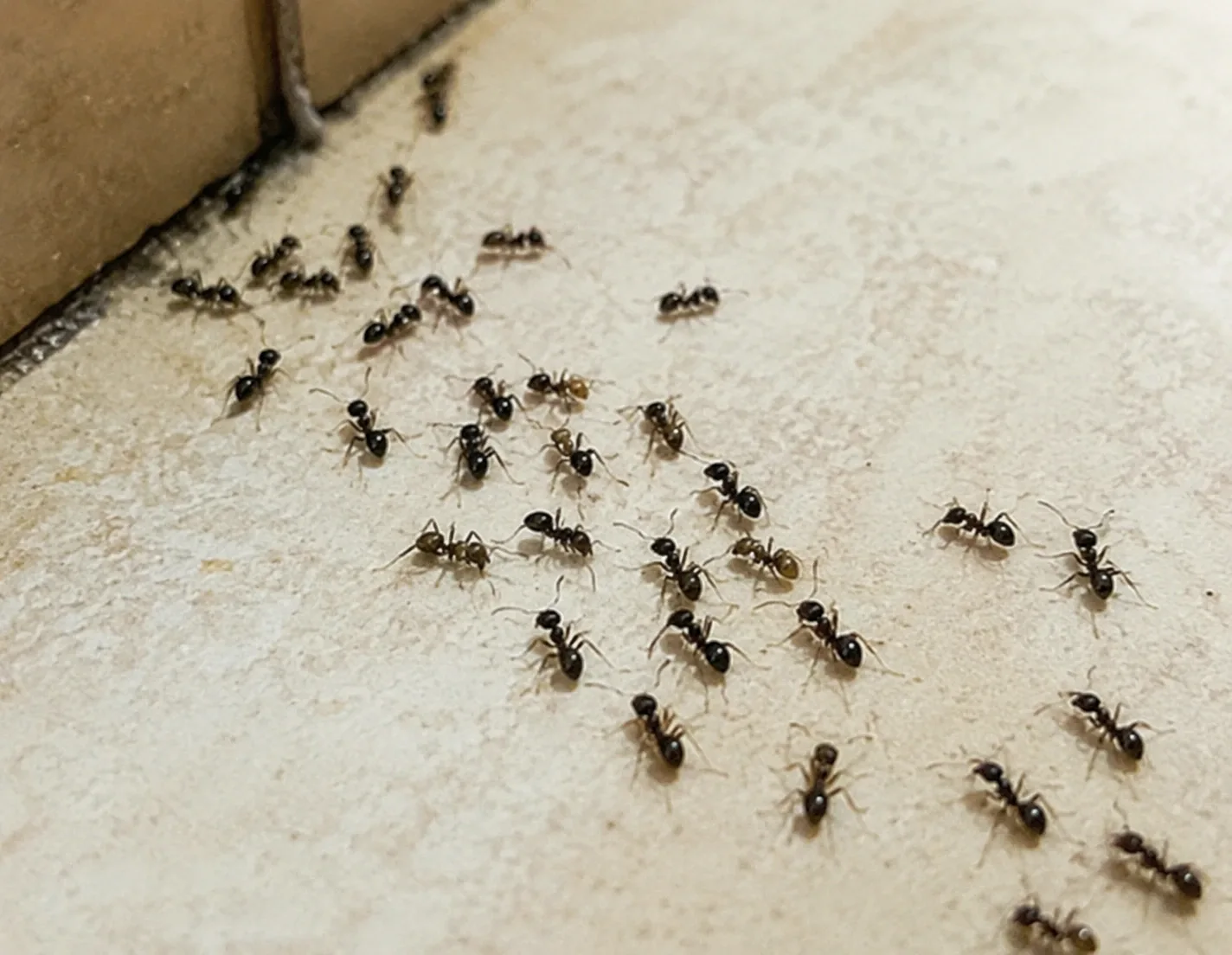
From ghost ants on the counter to termites in the soil, here are the pests Clearwater homes see most, and what each one is trying to tell you.
Read articleThis one gets treated the same as everything else here: looked at first, priced in writing second. The pros we connect you with will explain what they found on your property and why that treatment fits it, whether the issue traces back to standing water after a rainy-season downpour or an opening along the soffit. No pressure to sign anything on the spot. You get the figure and decide on your own time.
Call (727) 558-4422