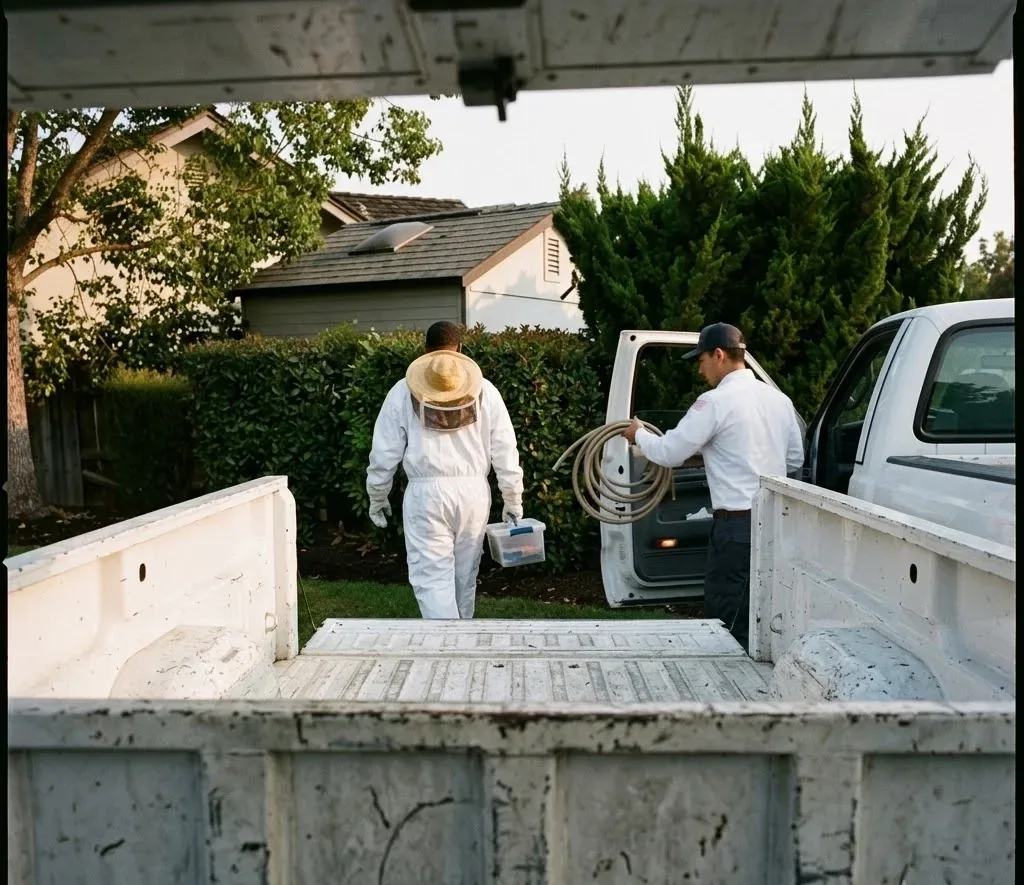
Mosquito & Tick Control
Barrier treatment for the standing water, wood lines, and shrub beds where mosquitoes and ticks actually live.
Learn about Mosquito & Tick ControlTarpon Springs pairs an older historic core with sandy, damp soil, so both ground-level termite entry and attic-level drywood damage show up here.
Tarpon Springs sits north of Clearwater, and its older historic core means houses that predate the slab-on-grade norm seen closer to Gulf to Bay Boulevard. Older construction near the sponge docks has settled foundations, gaps around utility lines, and aging soffits that give roof rats and palmetto bugs an easy way in. Sandy soil and a high water table keep the ground damp most of the year, which subterranean termites use to build mud tubes up through slabs and porch supports. Drywood termites work the other angle, tunneling into dry attic framing and trim with no soil contact needed at all. An inspection that checks both the perimeter at ground level and the attic above catches problems a homeowner walking the yard alone would miss.
Clearwater homes sit on slab foundations near Old Tampa Bay and the Gulf, where soffits, gutters, and standing water after rain give pests easy openings.
The building stock in Tarpon Springs runs to early-1900s Greek immigrant-era homes near the historic waterfront, newer subdivisions further inland. Slab-on-grade means there is no crawl space to inspect from below, so the entry routes that matter are all at the roofline and the ground course — and both are easy to miss from inside the house.
Anywhere close to Anclote River and Gulf of Mexico, rainy-season downpours leave standing water for days. That is a mosquito nursery inside a week, so the first thing worth walking is the yard — low spots, blocked gutters, plant saucers, anything holding water.
Humid air off the Gulf keeps soil and attic framing damp year-round, giving termites and palmetto bugs no real off-season here. King tides and heavy rain near Sand Key and Island Estates change what shows up at the door, not whether anything does.
Rentals and condos around Tarpon Springs bring their own pattern. Turnover moves bed bugs and roaches between units, and access has to be coordinated rather than assumed, so a written record of each visit matters as much as the treatment.
Cost shifts with infestation size, property type, and whether the job is one treatment or a run of scheduled visits.
| Service | Estimated cost |
|---|---|
| Mosquito & Tick Control | an estimated $69–$139 |
| Rodent Exclusion | an estimated $189–$499 |
| General Pest Control | an estimated $99–$239 |
The historic downtown core near the sponge docks has some of the area's older construction and aging entry points pests exploit.
US Highway 19 runs south toward Clearwater, making Tarpon Springs an easy stop on the same service route.
Nearby Dunedin shares the same sandy soil and high water table that keeps termite pressure steady along this stretch of coast.
Barrier treatment for the standing water, wood lines, and shrub beds where mosquitoes and ticks actually live.
Learn about Mosquito & Tick Control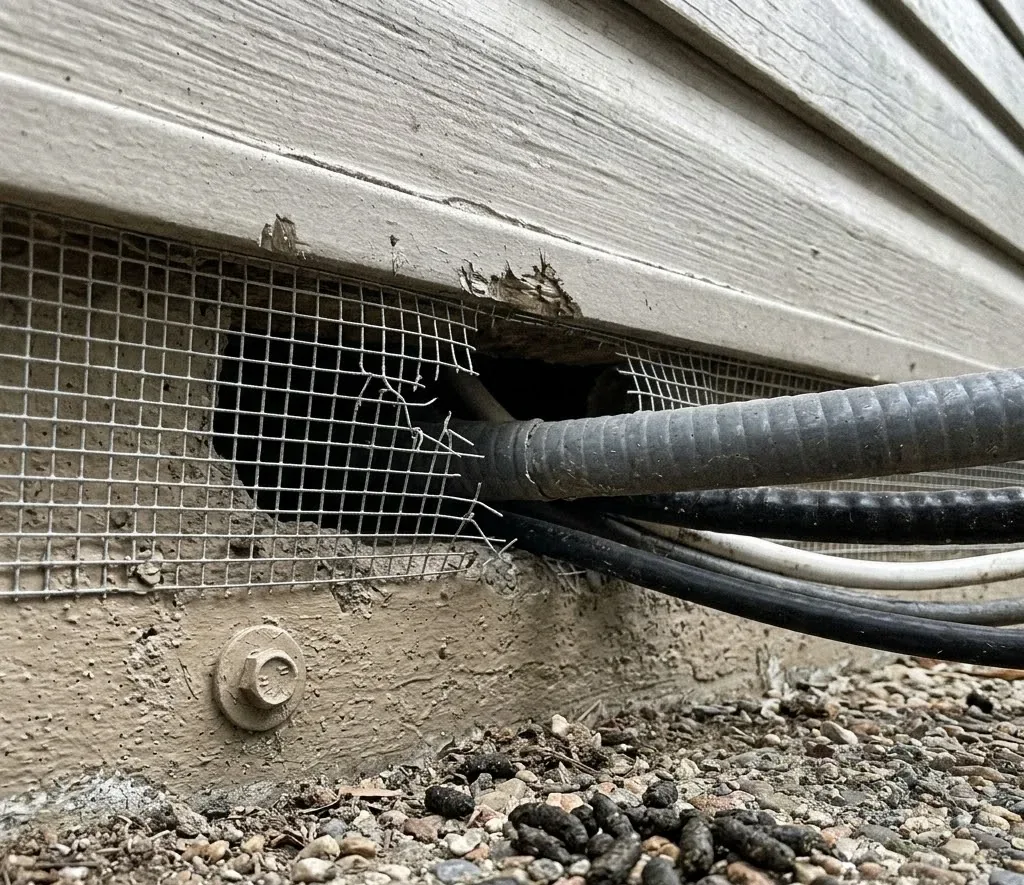
Trapping clears what's inside. Sealing the entry point stops the next one from moving in.
Learn about Rodent Exclusion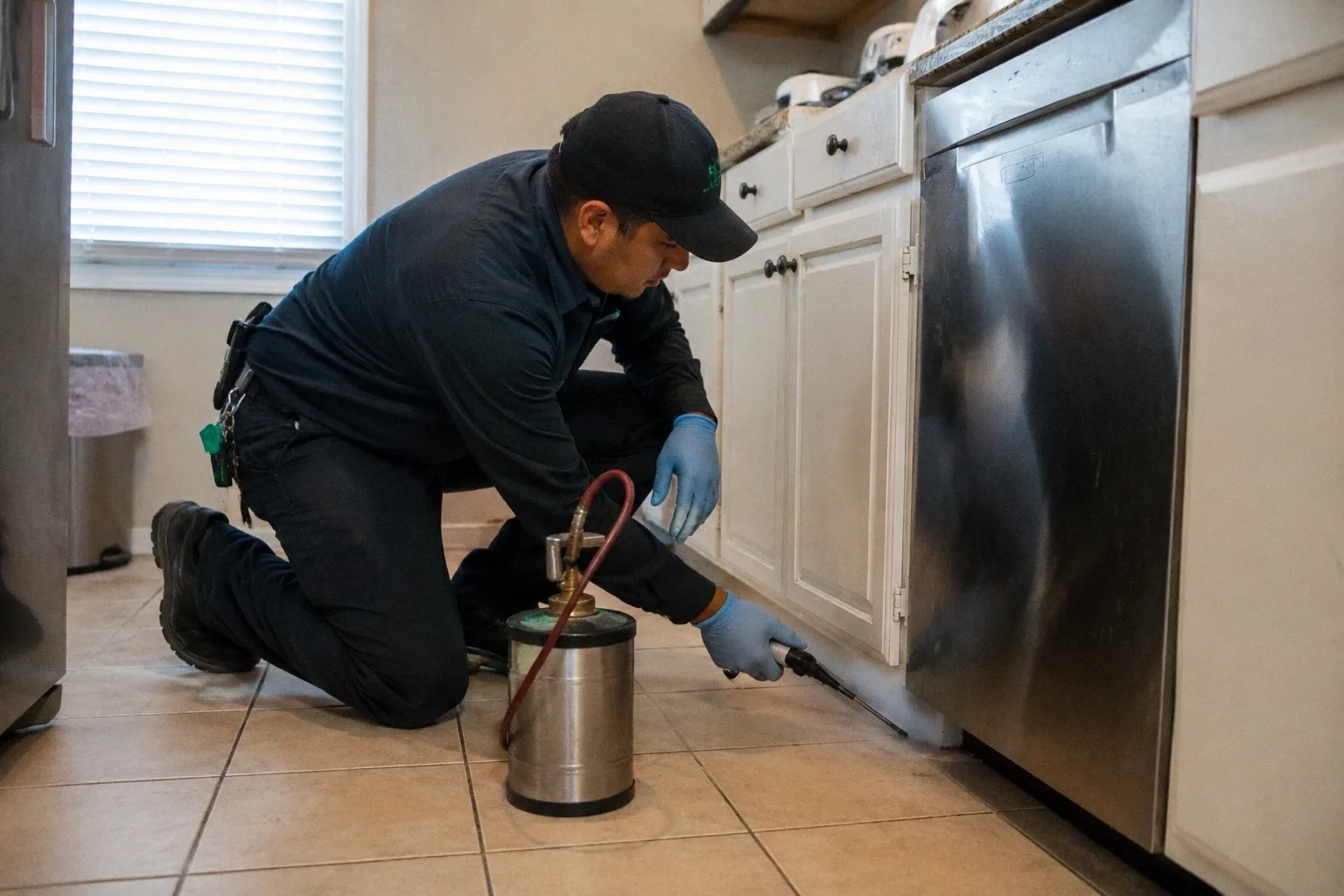
One plan for the ants, roaches, spiders and silverfish that never really leave a Clearwater house alone.
Learn about General Pest Control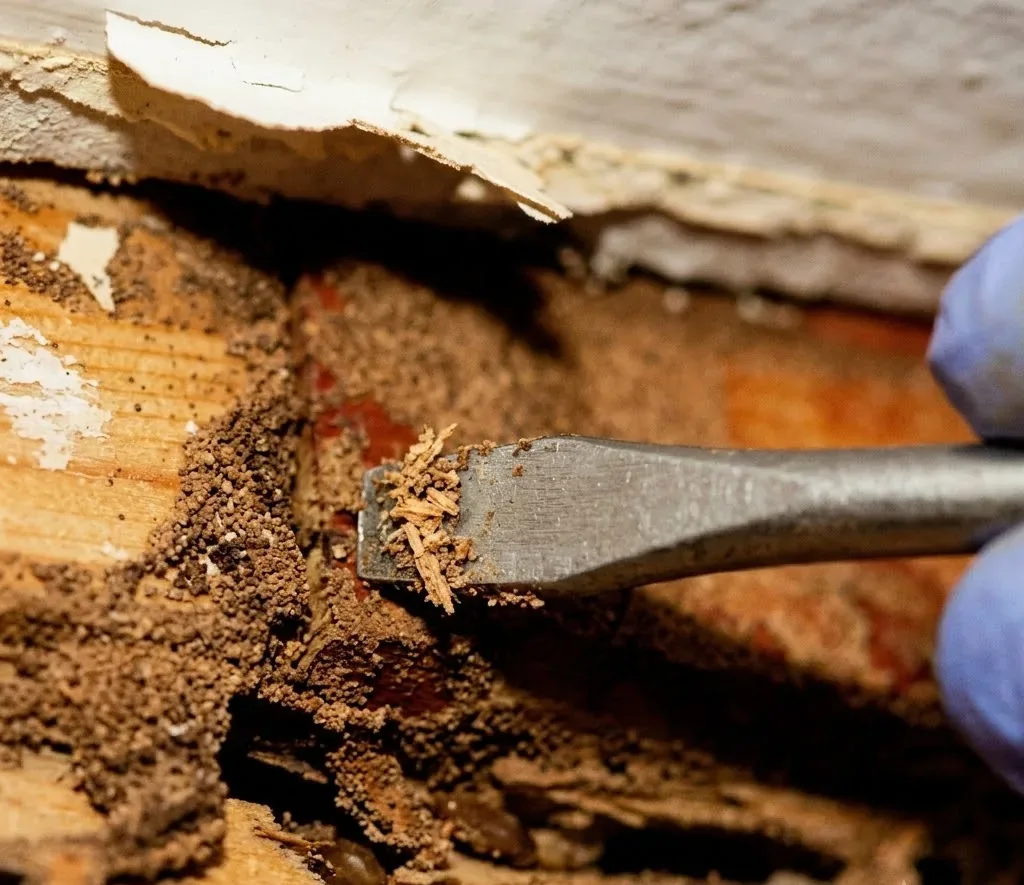
A close look at the foundation, sill plates, and attic for the mud tubes and wood damage subterranean termites leave behind.
Learn about Termite InspectionYes. Tarpon Springs is within the area the licensed pros we connect you with cover, including the older homes near the historic downtown core and newer construction further out.
Yes. The historic core has older foundations and framing that give subterranean and drywood termites multiple points of entry. An annual inspection catches early damage before repair costs climb.
Yes. Sandy, open yards common around Tarpon Springs give fire ants room to build mounds fast. Baiting the yard along with direct mound treatment keeps them from spreading back.
Tarpon Springs sits north of Clearwater, past Dunedin, but the pros dispatch crews that direction regularly. Expect a call back the same day and a visit within a day or two for anything urgent, sooner if you're seeing active termite or roach activity near the historic downtown core.
Palmetto bugs come in through gaps around older foundations, soffits, and utility openings chasing moisture and shelter. Sealing entry points and treating the perimeter on a repeat schedule keeps new ones from replacing the ones removed.
Attics and soffits are the real wildlife doorways, not crawlspaces or basements that don't exist here. Squirrels and raccoons work roof lines and vents on older homes near Skycrest and Morningside the same way they do near newer construction out toward Countryside Boulevard.
If you are near Harbor Oaks, Del Oro Groves or anywhere else inside this coverage area, a call settles whether the visit can happen and when. Clearwater properties near the water table often show different pressure than ones further from Old Tampa Bay, so location shapes what gets checked first. The look is free regardless of what turns up, and anything urgent after a heavy rain event usually gets bumped ahead of routine calls.
Call (727) 558-4422