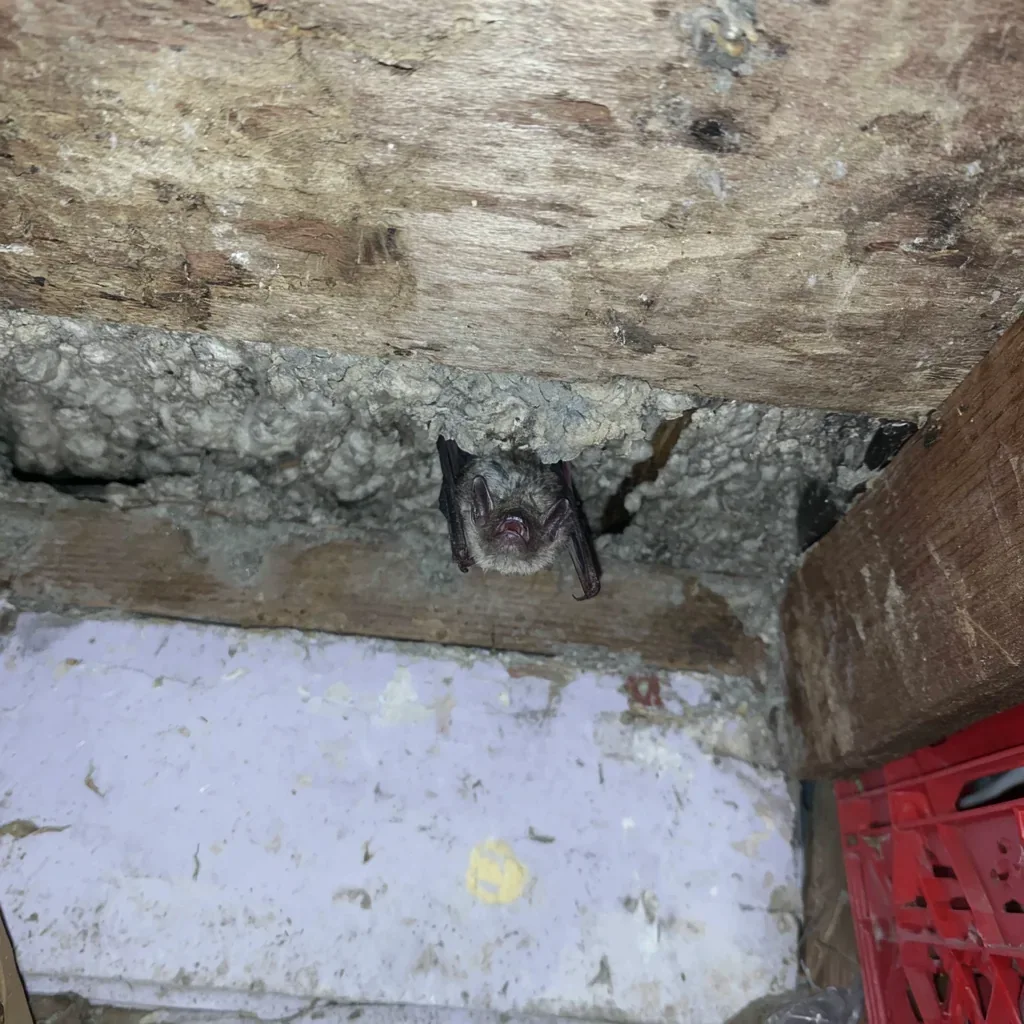
Cleaning Out an Attic After Raccoons or Rats in Clearwater, FL
The animals are gone but the mess and the smell stay behind, and both keep drawing the next one in.
Attic decontamination removes droppings, nesting, and urine odor left by raccoons or squirrels after they're gone from a Clearwater roofline. The scent stays behind and can pull in a second animal looking for the same shelter near Island Estates or Skycrest. A proper job sanitizes surfaces, breaks down the odor at a chemical level, and clears contaminated insulation, protecting indoor air quality and anyone who breathes attic dust.
The smell left behind is not just unpleasant
An attic in Clearwater rarely gets one visitor. A squirrel finds a gap along the soffit near Island Estates or Countryside, gets in, and leaves a scent trail behind when it's removed or moves on. That trail is chemical, not visual, built from urine, droppings, and skin oils rubbed into the insulation and framing over weeks.
The next raccoon or squirrel checking that same roofline reads the smell as a proven shelter, not a warning. This is why decontamination isn't cosmetic. It's the difference between removing one animal and ending the cycle for that attic, whether the house sits near Old Bay District or out toward the Countryside side of town.
Clearwater's year-round warmth means there's no cold season to slow this down. An attic near Clearwater Heights or North Greenwood can host a new animal in fall, spring, or the middle of a June downpour, because nothing about the local climate discourages a squirrel or raccoon from checking a familiar-smelling roofline in any month.
What actually happens during the cleanout
Removal comes first, always. Bagging out bulk nesting material, old insulation clumped with droppings, and any dead animal remains has to happen before sanitizing touches a surface, because treating a mess in place just spreads contamination deeper into the batts and the roof decking above it.
After removal, the exposed surfaces get sanitized and treated with an enzyme cleaner that breaks down the urine and pheromone residue rather than just covering the smell. This step is what actually stops the scent trail, since anything less leaves a chemical signal in the wood and insulation for the next animal to find near the same soffit gap.
- Attic sealed off so dust and dander stay out of Skycrest and Countryside living space below
- Droppings and nesting material bagged directly rather than swept across the joists
- Soaked or torn insulation pulled out where a spray treatment cannot reach it
- Remaining surfaces vacuumed with sealed filtration, then wetted and treated
- Pheromone-marked odor trails treated at the source, then rechecked once the attic airs out
- Insulation condition checked the same visit, since it usually holds the worst of the contamination
A shop vac and a bottle of bleach make it worse
Dry droppings crumble into dust the moment they're disturbed, and disturbing them without containment is the mistake that turns a cleanup into an air quality problem for the whole house. Clearwater's humidity slows drying somewhat, but once material does dry in a hot attic, it breaks down fast under a broom or a bare hand.
A standard shop vacuum doesn't solve this. Fine dropping dust passes straight through the filter media and gets pushed back out the exhaust, right into the attic air the technician is breathing. HEPA-filtered equipment is what actually captures that fraction instead of just relocating it around the joists.
- Sweeping dried droppings into the air of a closed attic near Island Estates or Old Bay District
- A regular household vacuum that pushes fine particles straight through its bag
- Bleach poured onto insulation, which wets the odor instead of removing it
- Scented plug-ins or ozone units masking a smell instead of finding its source
- Climbing into a hot, humid Clearwater attic without a respirator or eye protection
The health risks worth taking seriously
The real risk in a contaminated Clearwater attic is airborne dust from dried droppings, which is why a respirator isn't optional gear for anyone working up there. Confined, poorly ventilated attic spaces concentrate whatever gets kicked up, and Florida's heat makes that space brutal to work in without proper protective equipment.
None of this is a medical diagnosis, and nobody should treat it as one. It's simply the reason this isn't a weekend project with a dust mask from the hardware store on Missouri Avenue or Belcher Road. Contamination removal in a hot, humid attic calls for real containment and real respiratory protection, not good intentions.
Why this takes more than a weekend
- Dried droppings turn to dust in an attic with almost no airflow
- Raccoon droppings can carry roundworm, so latrines get bagged, never brushed
- Built-up droppings from bats or birds are linked to histoplasmosis, a fungal lung infection
- Respirator, coveralls, gloves and eye protection are the baseline, not extras
- Keeping dust contained matters as much as cleaning it, or it spreads into the house
- Worried about symptoms after working up there. Talk to a doctor, not this page
Frequently Asked Questions
The animals are gone, so why decontaminate the attic
No. A raccoon or squirrel doesn't just leave and forget the spot. Urine and droppings hold a scent trail that reads as safe shelter to the next animal checking your Clearwater roofline, and to that same animal if it's pushed out but not sealed out. Skipping cleanup after removal just resets the clock on the same attic.
Can I just clean the attic out myself?
Small, dry, contained messes in an easily reached spot, maybe. But most attic contamination in a Clearwater home is layered under humidity that keeps droppings from ever fully drying, which means dust control fails fast without sealed-filtration equipment and a respirator. Anything spread across joists, insulation, or hard-to-reach eaves is past a homeowner tackling it with a shop vac.
Will a fogger or ozone machine kill the smell?
No. Odor pulled from the air is treating a symptom. The source is soaked into insulation, wood, and dust in the attic, and it keeps releasing scent and pheromone cues as long as it's there. An enzyme treatment breaks the material down at the source; an air freshener or ozone box just masks it until the humidity brings it back.
Why does the smell keep bringing new animals back?
Not much overlaps, because Clearwater homes sit on slab foundations with no crawl space or basement underneath. Every bit of nesting, droppings, and odor from a raccoon or squirrel is up in one place: the attic, above the living space, often right along the soffit line where the animal got in near Skycrest or Morningside rooflines.
Ready to get the attic properly cleaned out
Tell us what's in the attic and how long it's been quiet, and we'll match you with a licensed Clearwater pro who sanitizes properly and checks the air quality before closing the job back up.
Call (727) 558-4422