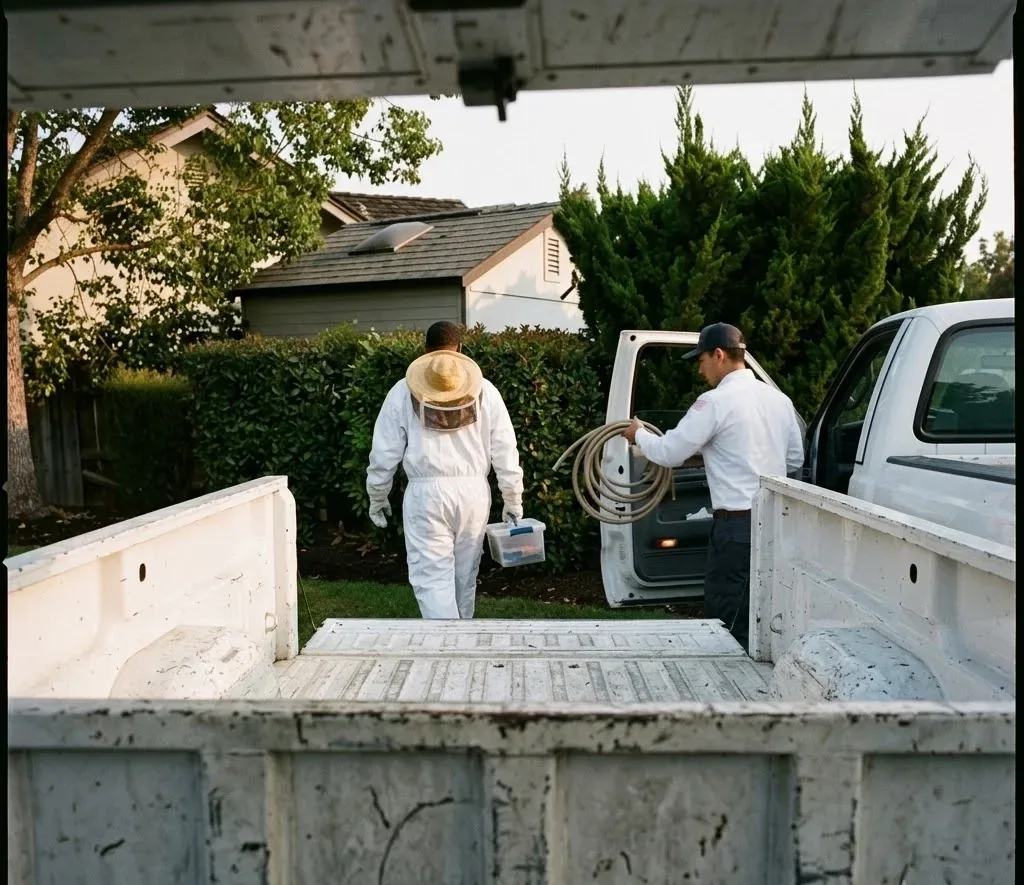
Mosquito & Tick Control
Barrier treatment for the standing water, wood lines, and shrub beds where mosquitoes and ticks actually live.
Learn about Mosquito & Tick ControlA Gulf barrier island where salt air and slab foundations, not basements, shape where pests get in.
Treasure Island sits out on the Gulf barrier islands, separated from Clearwater by the Intracoastal Waterway, and that location shapes the pest pressure more than anything else. Homes and condos here sit on slab foundations, not basements, because the water table is too high and the sand too loose for anything below grade. Standing water after heavy rain, king tides, and the humidity that never really lets up give mosquitoes and ghost ants steady breeding ground near the yard and perimeter. Salt air and constant moisture wear at exterior seals faster than inland Clearwater properties, opening gaps around plumbing stacks and roof lines that roof rats and palmetto bugs use to get inside. A perimeter inspection on a barrier-island property has to account for that faster weathering, not just the usual entry points.
Slab foundations, standing water after rain, and year-round warmth around Old Tampa Bay keep pests active in every season here.
What you mostly find in Treasure Island is 1950s-60s beach homes and condos, dense short-term-rental market. Tile and shingle roofs both give way at the ridge and the valley over time, and once a soffit return opens up, the attic becomes the easiest space in the house to get into.
Close to Gulf of Mexico, humidity stays high enough year-round that nothing really dies back. Cardboard in a garage, mulch banked against the wall and stacked pots all turn into harborage in those conditions, and clearing them is often half the job.
Coastal humidity and rain-season downpours keep pest activity steady year-round on Treasure Island, with no real seasonal slowdown. Rainy season, June through September, pushes activity indoors around Countryside and Skycrest as yards hold standing water longer.
A fair share of the work around Treasure Island is not single-family. Shared walls let pests move between units, so treating one space on its own rarely holds and the building gets looked at as a whole.
What a treatment runs depends on your home's size, the pest, and whether Sand Key humidity or a Countryside slab is involved.
| Service | Estimated cost |
|---|---|
| Mosquito & Tick Control | an estimated $69–$139 |
| Rodent Exclusion | an estimated $189–$499 |
| Bed Bug Treatment | an estimated $299–$1100 |
Across the Intracoastal Waterway, Clearwater Beach shares the same barrier-island moisture and salt-air conditions.
The Gulf of Mexico borders Treasure Island directly, driving the humidity and standing-water pest pressure here.
St. Pete Beach lies nearby along the same barrier-island chain, facing similar coastal pest conditions.
Barrier treatment for the standing water, wood lines, and shrub beds where mosquitoes and ticks actually live.
Learn about Mosquito & Tick Control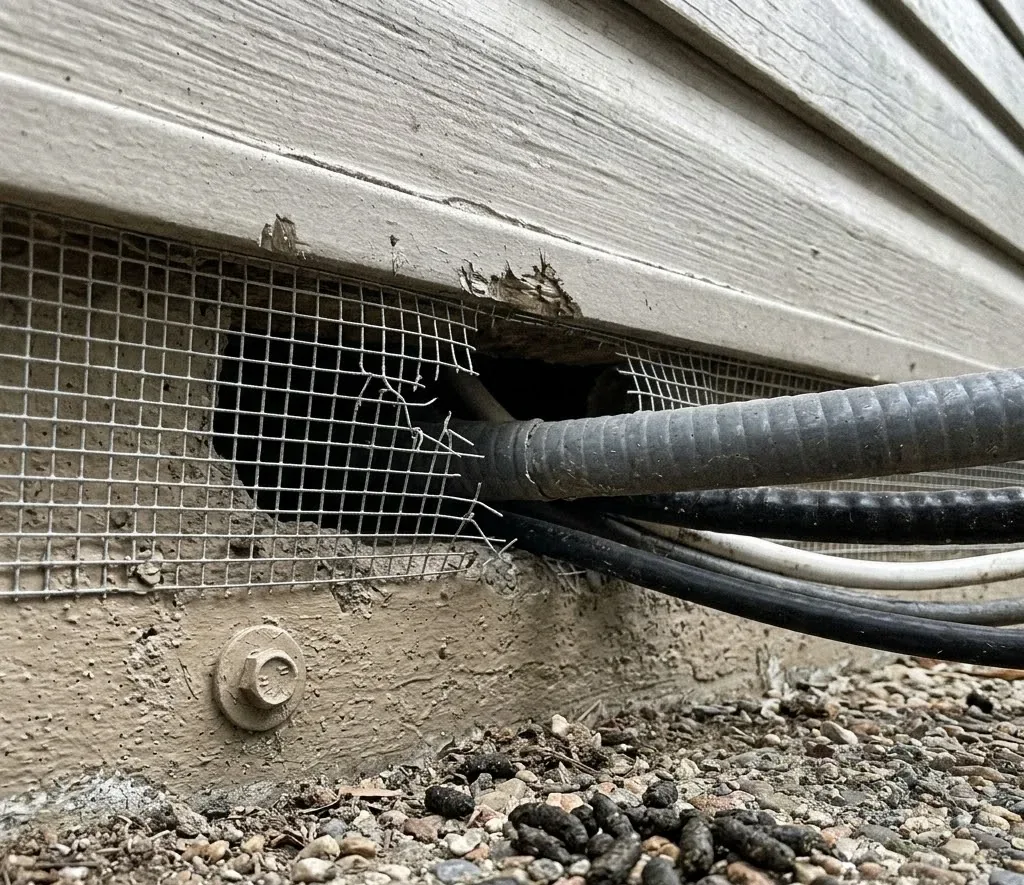
Trapping clears what's inside. Sealing the entry point stops the next one from moving in.
Learn about Rodent Exclusion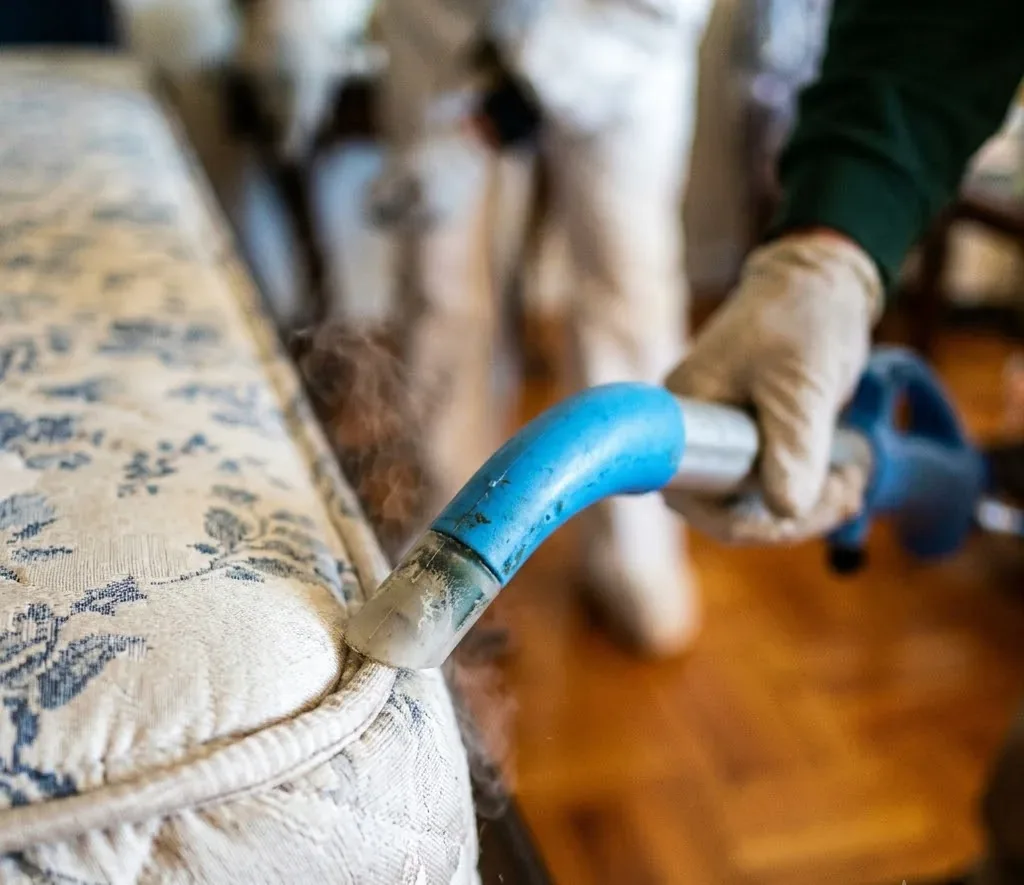
Bed bugs spread room to room and unit to unit. Confirmed treatment that reaches the harborage sprays miss.
Learn about Bed Bug Treatment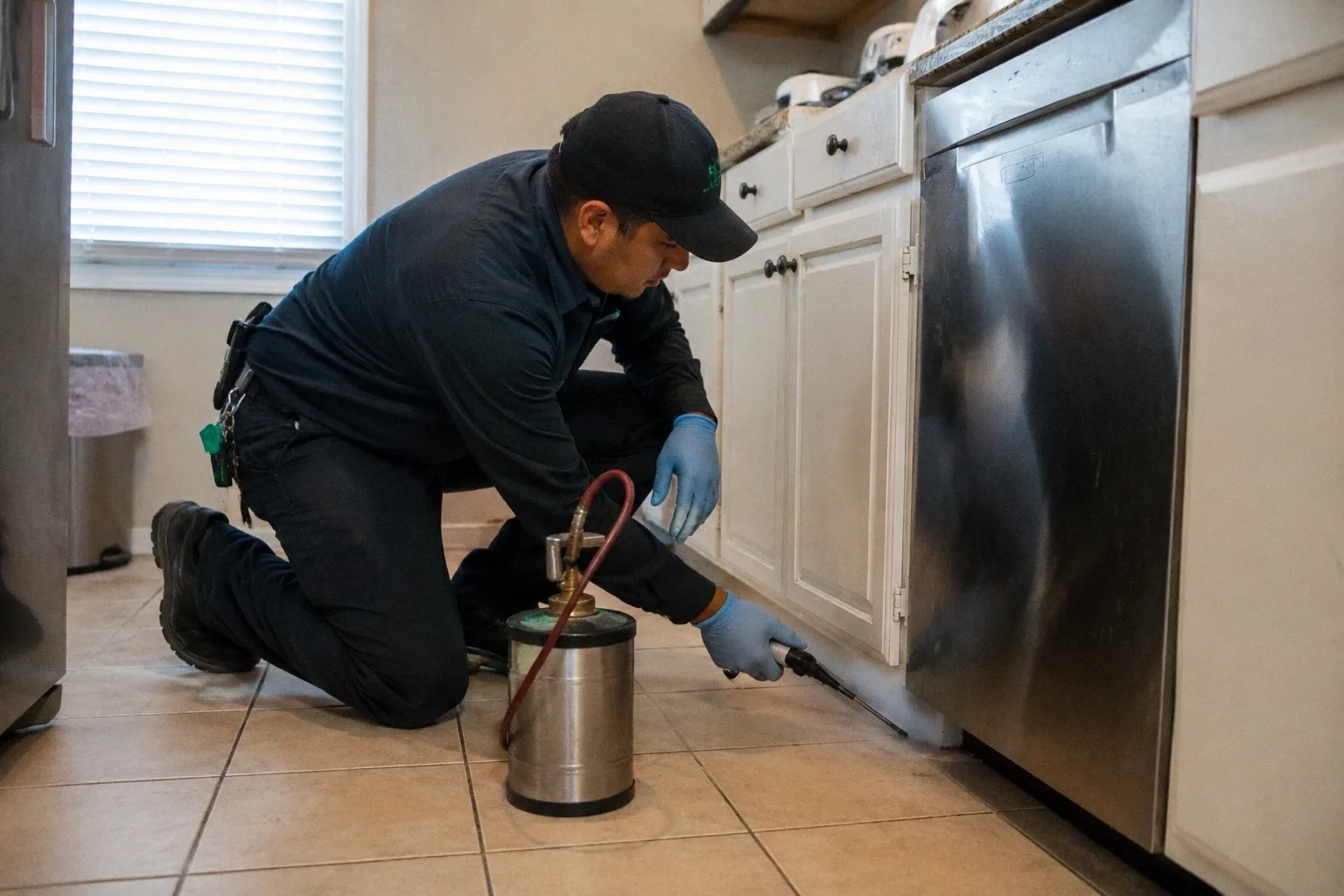
One plan for the ants, roaches, spiders and silverfish that never really leave a Clearwater house alone.
Learn about General Pest ControlYes. Treasure Island's slab construction and sandy soil don't stop subterranean or drywood termites, and salt air can speed up wood and sealant wear, so an inspection is worth doing even without visible damage.
Treasure Island's canals and low elevation mean rain sits in yards and low spots after storms. That standing water draws mosquitoes fast, and salt-tolerant species here bite even during the day. Clear gutters, dump anything holding water, and if it keeps coming back after every rain, a pro can treat the yard directly.
Ghost ants and palmetto bugs are common here, drawn by the constant coastal humidity and gaps that open up around plumbing and roof lines as salt air wears down exterior seals over time.
Roof rats can get into attics and soffits through small gaps, especially where weathering has loosened trim or vents. Sealing those entry points is usually part of any treatment plan.
Slab foundations mean no basement or crawl space entry points, but moisture around the perimeter and gaps from salt-air wear on siding and seals are the main things an inspection checks for.
Palmetto bugs don't wait for a season here. Between Island Estates and Countryside, homes on slab foundations give American cockroaches an easy path in through soffits and gaps near Belcher Road properties. Rainy season pushes them and standing water mosquitoes indoors early. The licensed pros we connect you with handle inspection and treatment without guessing at what's actually in your walls.
If you are near Harbor Oaks, Del Oro Groves or anywhere else inside this coverage area, a call settles whether the visit can happen and when. Clearwater properties near the water table often show different pressure than ones further from Old Tampa Bay, so location shapes what gets checked first. The look is free regardless of what turns up, and anything urgent after a heavy rain event usually gets bumped ahead of routine calls.
Call (727) 558-4422