Reading a Pest Control Warranty Before You Sign in Clearwater, FL
Retreatment versus repair coverage, what voids either one, and what survives a sale.
A pest or termite warranty is a written promise attached to a treatment, not the treatment itself. Retreatment coverage says they come back and treat again at no extra charge; repair damage coverage pays toward the fix if new damage is found. Renewal, usually annual, keeps either one active. Skip a renewal and most warranties lapse for good.
The Two Kinds Of Promise, And Why Chapter 482 Cares
A pest control warranty is a promise, not a guarantee of a bug-free house in a Clearwater climate that keeps ants, roaches and termites active all year. Read what the warranty actually covers before you sign. Some cover retreatment only, meaning the pros come back and treat again at no charge. Others add repair damage coverage, which pays toward fixing what termites or other pests actually chewed through.
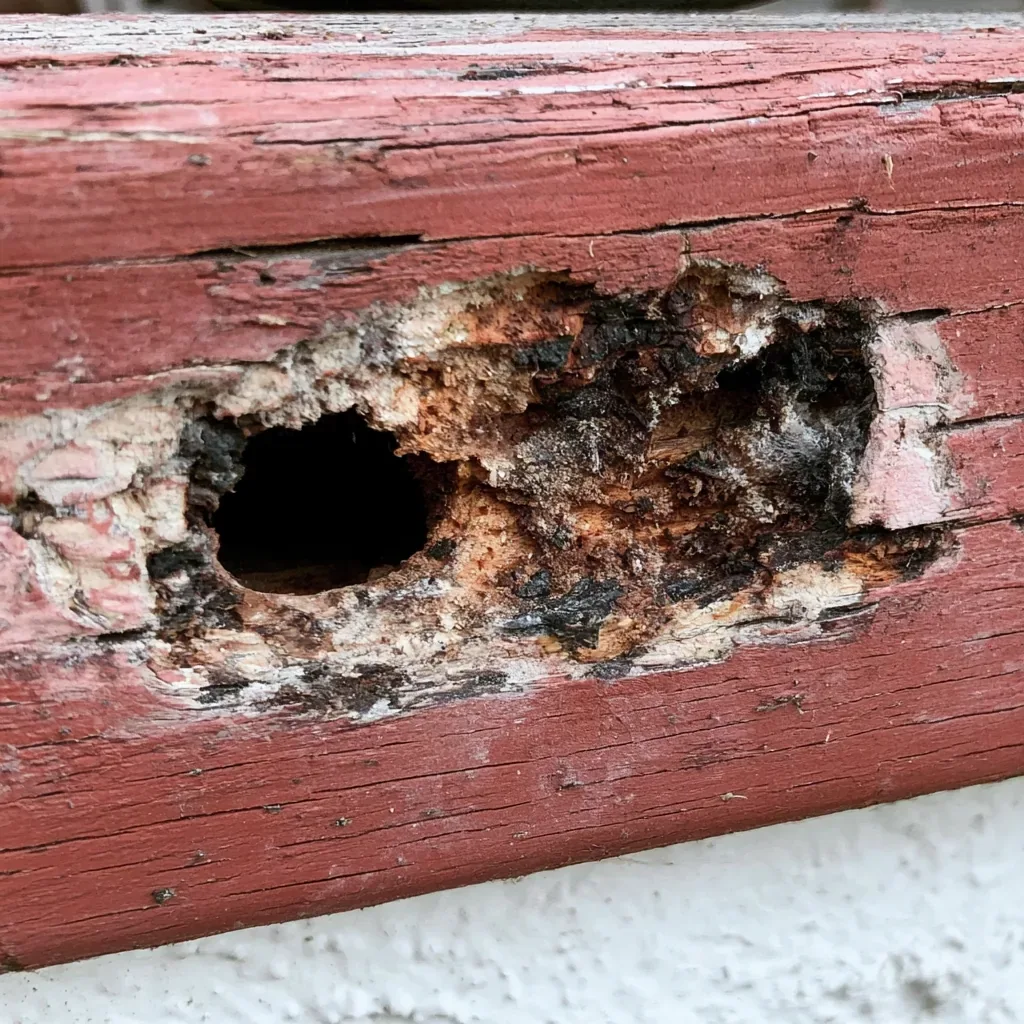
That distinction matters most for termites, since Clearwater's slab foundations and warm, wet stretch from June through September give subterranean and drywood termites steady conditions to work in near Skycrest, Morningside, or Del Oro Groves homes alike. A retreatment-only warranty gets rid of the termites again. A repair damage warranty, sometimes called a bond, puts money toward the wood they already ruined, up to whatever limit the paperwork sets.
Ask which one you are being offered before you assume it is the stronger version. A salesperson who says warranty without saying which kind has told you almost nothing. Get the actual coverage type in writing, because the difference between the two shows up only when termites come back and you are staring at damaged framing near Downtown Clearwater or out past Countryside.
- Retreatment coverage: they return and treat again at no added cost
- Repair damage coverage: money toward fixing new damage, capped by the bond
- Annual renewal: a lapsed payment usually ends coverage for good
- Transferability: some warranties move to a buyer at closing, some do not
- Exclusions: additions, sheds, and untreated adjoining structures often sit outside coverage
- Void triggers: skipped renewals, unreported moisture issues, or unapproved structural changes
Reading The Bond: What Gets Covered And What Gets Read Out
Every warranty carries exclusions, and those are the lines that decide whether a claim gets paid. Common ones exclude damage that started before the contract, damage in areas the technician could not inspect, or damage from a species not named on the paperwork. Formosan and Asian subterranean termites, both present in Florida, sometimes get treated differently than the more common Eastern subterranean termite in how a bond is written.
Moisture exclusions matter here too, given how often Clearwater deals with heavy rain, king tides, and standing water after storms like Helene and Milton. Some warranties exclude damage tied to a moisture condition the homeowner never fixed, like a leaking pipe or poor drainage near the foundation. If an inspector flags a wet area and nothing gets corrected, that exclusion can end up costing you the whole claim later.
Read the annual renewal terms as closely as the coverage itself. Most warranties are not permanent; they run one year at a time and require a renewal inspection and a renewal fee to stay active. Miss the inspection window or skip a renewal payment, and the warranty can lapse without much warning, leaving a Harbor Oaks or Countryside homeowner uncovered right when a termite swarm shows up.
| Warranty type | What it covers | What voids it |
|---|---|---|
| Retreatment-only bond | Re-treats active termite activity found later | No payout for repairs to damaged wood |
| Repair bond | Retreats plus pays for new termite damage | Coverage cap named in the contract, not open-ended |
| Coverage type | Retreatment only | Retreatment plus repair damage cover |
| What triggers a claim | New pest activity found between visits | New activity plus proven structural damage |
| What voids it | Missed annual renewal or unpermitted work | Same, plus undisclosed prior damage |
| Transferable at sale | Sometimes, ask before closing | Often yes, with a transfer fee and inspection |
| Typical exclusion | Damage from plumbing leaks or standing water | Pre-existing damage found at signing |
| Bond requirement | None beyond the annual fee | Often tied to a monetary repair bond limit |
What Voids Coverage Before The Termites Even Show Up
What voids a warranty is usually spelled out but rarely read. Common triggers include unauthorized repairs or renovations that disturb the treated soil barrier, a homeowner who cancels the annual renewal and lets coverage gap, or new conditions like a deck, pool, or addition built without notifying the company that holds the contract. Landscaping changes near the foundation can also break a soil treatment's seal without anyone noticing right away.
Ask directly what voids your specific contract, not the general kind you read about online. Two companies can write the same word, warranty, and mean different things by it. Get a plain answer on renovations, on missed renewal payments, and on what happens if a licensed pro finds conducive conditions, like wood-to-soil contact, that were not there at the last inspection near Clearwater Heights or Island Estates.
Renewal, Lapses, And What A Missed Payment Actually Costs
Transferability at sale is worth asking about before you list a Clearwater home or buy one. Some warranties transfer to a new owner for a fee and an inspection, keeping the coverage alive through the sale. Others end automatically the day the deed changes hands, leaving a buyer to start over with a fresh contract and a fresh cost, which can matter during negotiations near Old Bay District or the Cleveland Street District.
If you are selling, find the transfer terms in your paperwork now, not during closing. A buyer's agent or a buyer's lender may ask directly whether an existing termite bond transfers, and a vague answer slows things down. If you are buying a home anywhere from North Greenwood to Sand Key, ask the seller for the actual contract, not just a verbal claim that coverage exists.
Selling The House: Transfer Rules And The Closing-Table Scramble
A bond, in plain terms, is the industry's word for a warranty tied specifically to termite work, and it usually means the company stands behind its treatment with either retreatment, repair coverage, or both. The word sounds more official than it is; it is still a private contract between you and whoever performed the treatment, not a government guarantee, so its value is only as good as what the paperwork actually promises.
Before signing anything, ask what triggers a claim, how coverage is proven, and whether the annual renewal price is fixed or can rise. Ask what happens if the company that wrote the bond stops operating, since a warranty is only useful if someone is still around to honor it. A homeowner near Coachman Park or out toward Countryside Boulevard should walk away with those answers in hand, not just a signature.
What happens when you sell the house
A warranty and a bond answer different questions. The warranty is a private promise from whoever treated the house, spelling out what gets fixed if the pests come back. A bond adds a dollar figure the company stands behind if damage shows up later, which matters on a slab home near Alligator Creek or the Old Bay District as much as anywhere else in Clearwater.
Read the exclusion list before the invoice, not after. Untreated additions, a shed near Crest Lake Park, moisture intrusion from a roof leak, or a neighbor's untreated property line can all sit outside coverage. Ask what triggers a void, whether storm flooding counts, and whether the paperwork follows the house or just you.
- Ask whether the bond amount has ever been raised since the original contract
- Ask if flood or storm-related damage is named or excluded outright
- Ask what inspection access the company requires to keep the warranty valid
- Ask whether a missed annual payment can be reinstated or is final
- Ask for the claim process in writing, not a verbal summary
- Ask what happens to coverage if you add a room or a pool enclosure
Questions worth asking before you sign anything
- Get the exclusion list before signing, not after
- Confirm retreatment or repair damage coverage, or both
- Ask the bond amount and whether it has changed
- Check if renewal is annual and what a lapse costs you
- Ask if the warranty transfers to a buyer at sale
- Find out what voids coverage, in writing
- Ask how a claim gets filed and how long it takes
- Confirm whether additions or outbuildings are covered
- Keep every service ticket for the life of the warranty
Frequently Asked Questions
What is the difference between a bond and a warranty?
Retreatment covers a repeat visit if pests return before the warranty term ends. Repair damage cover pays for structural fixes if termites cause new damage during that same span. Clearwater homes on slab foundations still need clear terms on what triggers a claim, since a missed annual renewal can void coverage even if the bond itself sounds like it carries over automatically.
Does my termite warranty transfer if I sell my house?
Usually not automatically. Many warranties end the day a home sells unless the contract includes a transfer clause, which often requires a fee and a fresh inspection to keep coverage active for the new owner. If you are buying or selling near Harbor Oaks or Clearwater Beach, ask for the written contract and check the transfer terms directly, rather than relying on what a seller or agent tells you the coverage includes.
Can I transfer my termite bond to the buyer when I sell?
Almost always, yes, but check the specific terms. Most termite bonds and pest warranties in Clearwater run on an annual renewal, requiring an inspection and a fee each year to stay valid. Skip the inspection or miss the payment, and coverage can lapse quietly, often without a clear warning until you file a claim. Treat the renewal date like a bill that matters, not a formality, especially given how active termites stay here year-round.
Get a warranty explained before you agree to it
Before you sign anything, get the retreatment terms, the repair damage limit, and the renewal date in writing. Send us what's covered and what a Clearwater inspector found, and a licensed local pro can walk you through the exclusions line by line.
Call (727) 558-4422