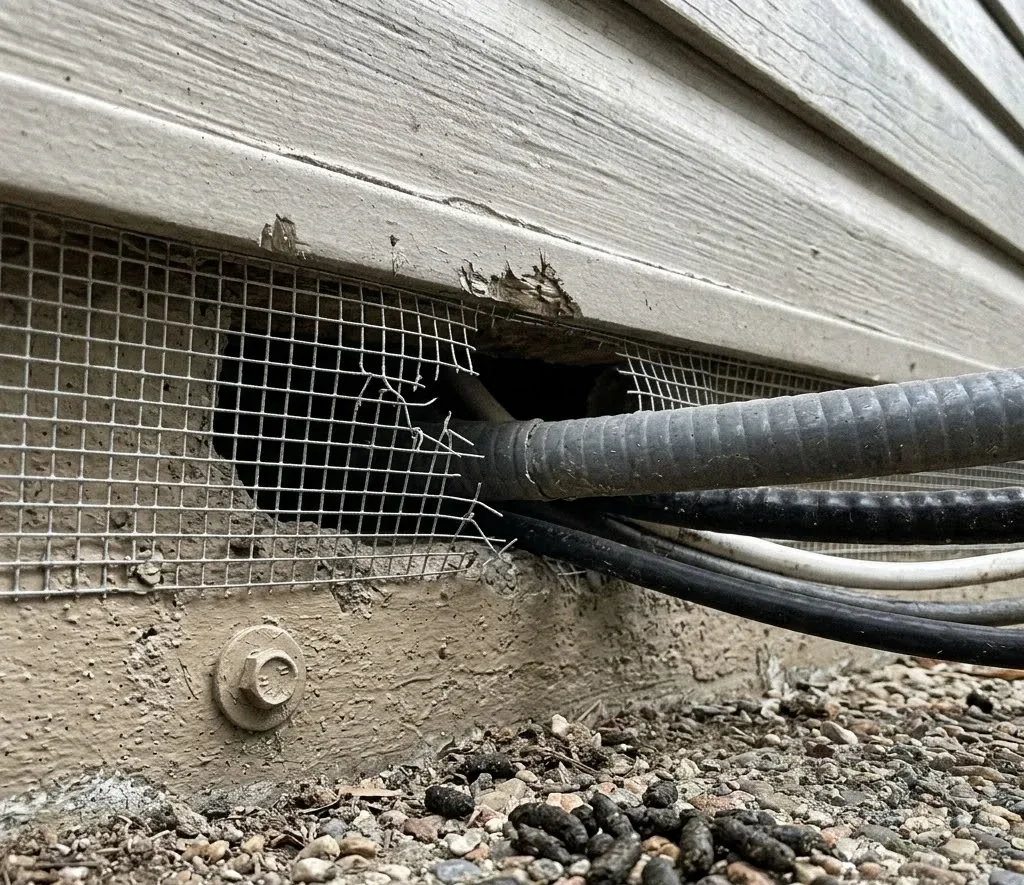
Rodent Exclusion
Trapping clears what's inside. Sealing the entry point stops the next one from moving in.
Learn about Rodent ExclusionCentury-old homes on raised piers give Harbor Oaks a termite and crawl space moisture problem most newer Clearwater neighborhoods don't have.
Harbor Oaks sits on a bluff south of downtown Clearwater, overlooking Clearwater Harbor, platted in 1914 with curbed streets and underground utilities. The homes here are large, architect-designed Mediterranean Revival and Tudor Revival residences, sitting on slab or raised pier foundations rather than basements, which changes where pests actually get in. Older masonry and stucco walls develop hairline gaps over a century of settling, and the raised pier homes leave a shaded crawl space where moisture collects and drywood termites go unnoticed for years. Mature landscaping and the drop toward the harbor keep the yard soil damp longer after rain, drawing ghost ants and palmetto bugs toward the foundation perimeter. Because these are individually distinctive historic homes rather than tract housing, inspection and treatment plans get built around each property's specific construction rather than a standard subdivision layout.
Slab foundations, standing water after rain, and year-round warmth around Old Tampa Bay keep pests active in every season here.
Harbor Oaks is mostly 1910s-1920s historic estate homes (National Register historic district), brick streets, mature oak canopy. Block walls move less than frame, but the joints and the stucco crack anyway, and a hairline gap at an expansion joint is a straight run from soil to wall cavity for ants and subterranean termites.
Being near Clearwater Harbor keeps the ground and the air damp for most of the year. Damp soil against a slab edge is what subterranean termites want, and damp framing in an attic is what drywood termites and roaches want, so moisture is treated as part of the pest problem here rather than a separate one.
Rainy season keeps the bluff's mature landscaping and shaded crawl spaces damp well into fall, favoring termites and moisture pests. Homes near Alligator Creek and Stevenson Creek see steadier moisture, which keeps pest activity from ever fully quieting down.
A fair share of the work around Harbor Oaks is not single-family. Shared walls let pests move between units, so treating one space on its own rarely holds and the building gets looked at as a whole.
Home size, pest type, and how far out along the coast a property sits all shift the quote.
| Service | Estimated cost |
|---|---|
| Rodent Exclusion | an estimated $189–$499 |
| Yard & Lawn Pest Control | an estimated $79–$169 |
| General Pest Control | an estimated $99–$239 |
| Termite Inspection | an estimated $449–$1400 |
The historic district's curbed streets and mature trees shade crawl spaces, keeping moisture and termite pressure high.
Downtown Clearwater's foot traffic and older buildings add steady commercial pest pressure near Harbor Oaks.
Fort Harrison Avenue's older storefronts and building stock share the same moisture and entry-point issues as nearby homes.
Trapping clears what's inside. Sealing the entry point stops the next one from moving in.
Learn about Rodent Exclusion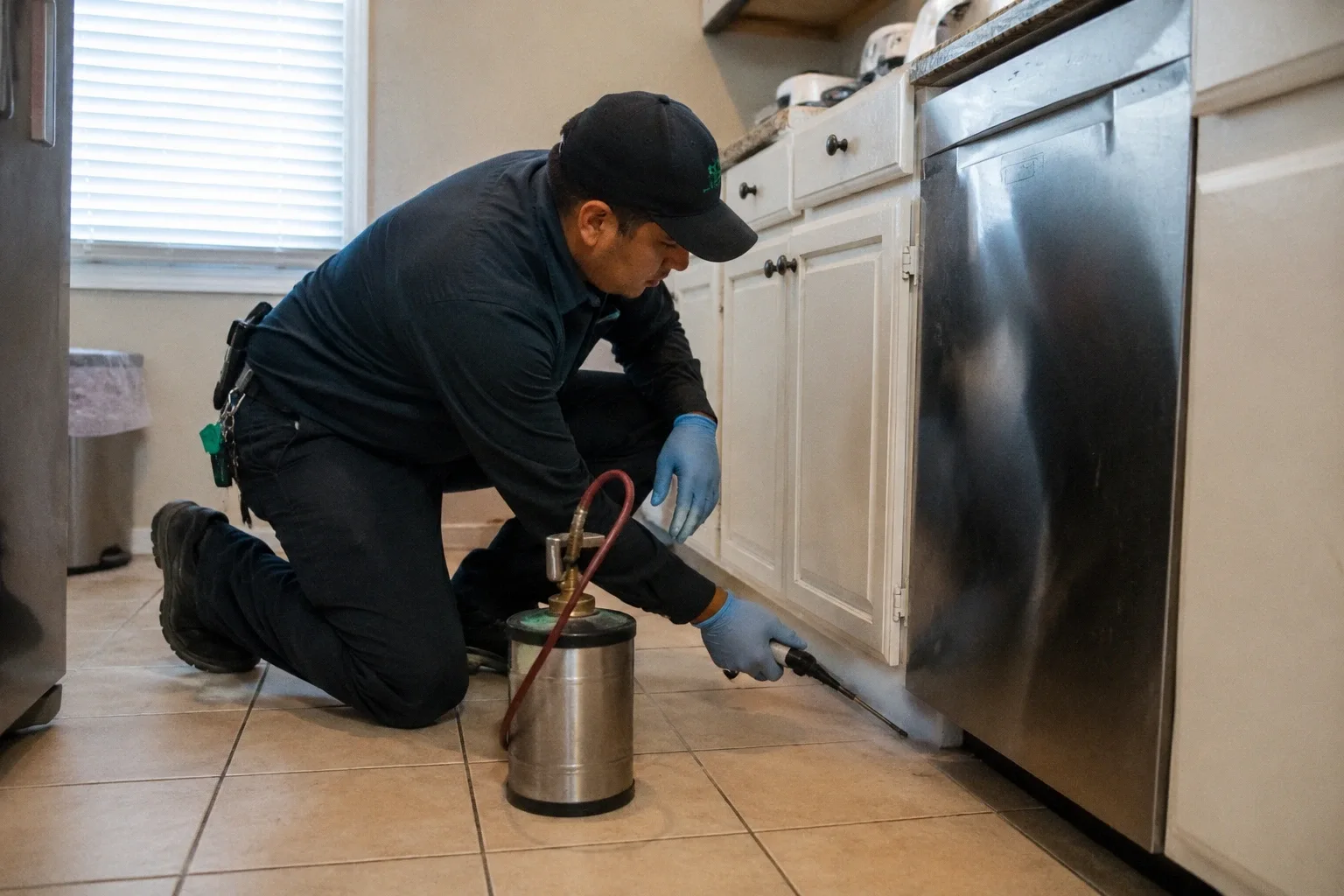
One plan for the ants, roaches, spiders and silverfish that never really leave a Clearwater house alone.
Learn about General Pest Control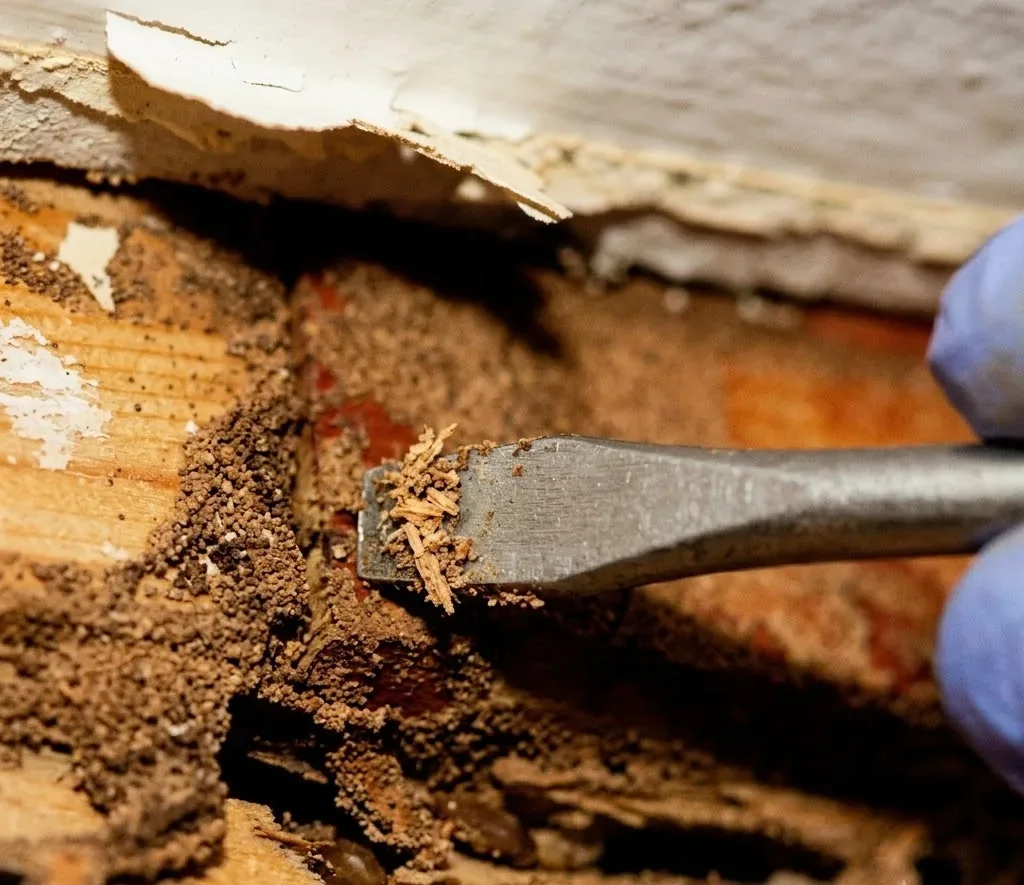
A close look at the foundation, sill plates, and attic for the mud tubes and wood damage subterranean termites leave behind.
Learn about Termite InspectionYes. Harbor Oaks' century-old homes on raised piers have shaded, humid crawl spaces that drywood and subterranean termites favor, especially in older wood trim and structural members. We inspect the crawl space and foundation perimeter directly and treat based on what's actually found, not a generic schedule.
Harbor Oaks is a short trip from anywhere else in Clearwater, close to downtown and Fort Harrison Avenue. Appointments get booked around when you're actually free, with same-day options available for anything that can't wait, like an active termite or wildlife issue.
Yes. The mature trees and dense plantings common in Harbor Oaks keep soil moisture high near foundations, which draws ghost ants and moisture-loving pests toward the house. Treating the yard perimeter and reducing standing water in landscaping beds are the most effective first steps.
The historic masonry and stucco homes in Harbor Oaks have settled over decades, opening small gaps around windows, soffits, and foundation lines. Squirrels and raccoons use these plus roofline gaps to reach the attic. Sealing those specific entry points works better than repeated trapping alone.
Yes. A recurring plan fits Harbor Oaks' older housing stock well, since new gaps and moisture points open up as these century-old homes continue to settle. Regular perimeter and crawl space checks catch termite and pest activity before it spreads through the structure.
Homes here sit on slab foundations, not basements, so the usual advice about sump pumps and below-grade rim joists misses the point entirely. Pests get in through soffits, weep holes, and gaps at the slab edge instead. That's the local entry story, from Island Estates to Countryside.
If you are near Harbor Oaks, Del Oro Groves or anywhere else inside this coverage area, a call settles whether the visit can happen and when. Clearwater properties near the water table often show different pressure than ones further from Old Tampa Bay, so location shapes what gets checked first. The look is free regardless of what turns up, and anything urgent after a heavy rain event usually gets bumped ahead of routine calls.
Call (727) 558-4422