Mosquito & Tick Control
Barrier treatment for the standing water, wood lines, and shrub beds where mosquitoes and ticks actually live.
Learn about Mosquito & Tick ControlOlder storefronts and converted apartments near Cleveland Street share walls and plumbing, so roach and rat problems spread building-wide fast.
Downtown Clearwater sits between Old Tampa Bay and the older residential blocks along Fort Harrison Avenue, with Cleveland Street and Court Street carrying the district's mix of early storefronts, converted apartments, and civic buildings near Clearwater City Hall and Coachman Park. Many of these structures date to the early decades of the city and sit on slab foundations, with drainage that struggles when heavy rain backs up along the low ground near the bay. That combination of older masonry, aging plumbing lines, and slab moisture gives American cockroaches and roof rats plenty of entry points around soffits and utility penetrations. Ground-floor retail and upper-level residential units often share walls and risers, so a pest problem rarely stays contained to one space. Inspection here focuses on the foundation perimeter, roofline, and any gaps where old and newer construction meet along this stretch of downtown.
Slab foundations, standing water after rain, and year-round warmth around Old Tampa Bay keep pests active in every season here.
Downtown Clearwater is mostly early-to-mid-20th-century brick commercial buildings mixed with newer mid-rise condos on the bluff. Block walls move less than frame, but the joints and the stucco crack anyway, and a hairline gap at an expansion joint is a straight run from soil to wall cavity for ants and subterranean termites.
Being near Clearwater Harbor keeps the ground and the air damp for most of the year. Damp soil against a slab edge is what subterranean termites want, and damp framing in an attic is what drywood termites and roaches want, so moisture is treated as part of the pest problem here rather than a separate one.
Rainy season backs up drainage near the bayfront, and roaches and rats stay active year-round with no hard freeze to slow them down. Rainy season, June through September, pushes activity indoors around Countryside and Skycrest as yards hold standing water longer.
Around Downtown Clearwater there is a steady mix of tenanted and mixed-use property. Those jobs live or die on discretion and documentation — service outside trading hours, and a record of what was done and where.
What a treatment runs depends on your home's size, the pest, and whether Sand Key humidity or a Countryside slab is involved.
| Service | Estimated cost |
|---|---|
| Mosquito & Tick Control | an estimated $69–$139 |
| Rodent Exclusion | an estimated $189–$499 |
| Bed Bug Treatment | an estimated $299–$1100 |
Coachman Park and the bayfront draw moisture inland, feeding roach and mosquito pressure in nearby downtown blocks.
Cleveland Street's older storefronts and upper-floor apartments share walls, letting roaches and rats travel between units.
Fort Harrison Avenue's aging buildings near City Hall have foundation gaps that give rodents easy entry year-round.
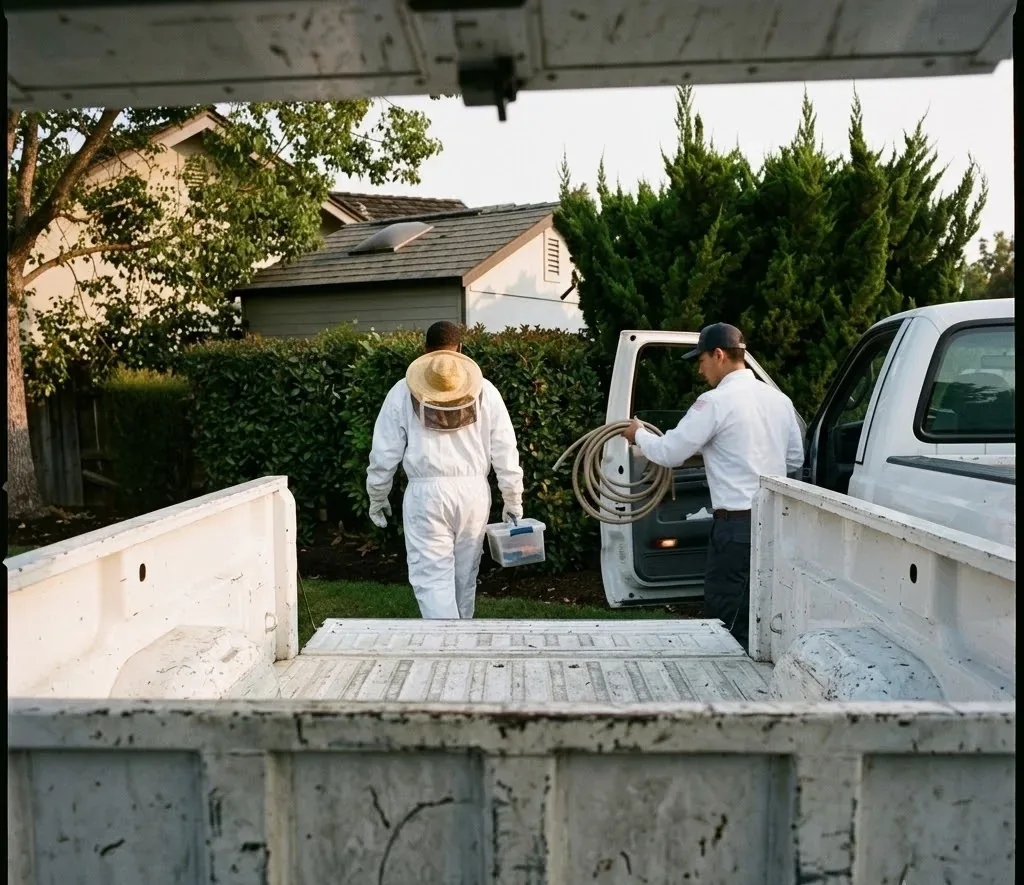
Barrier treatment for the standing water, wood lines, and shrub beds where mosquitoes and ticks actually live.
Learn about Mosquito & Tick Control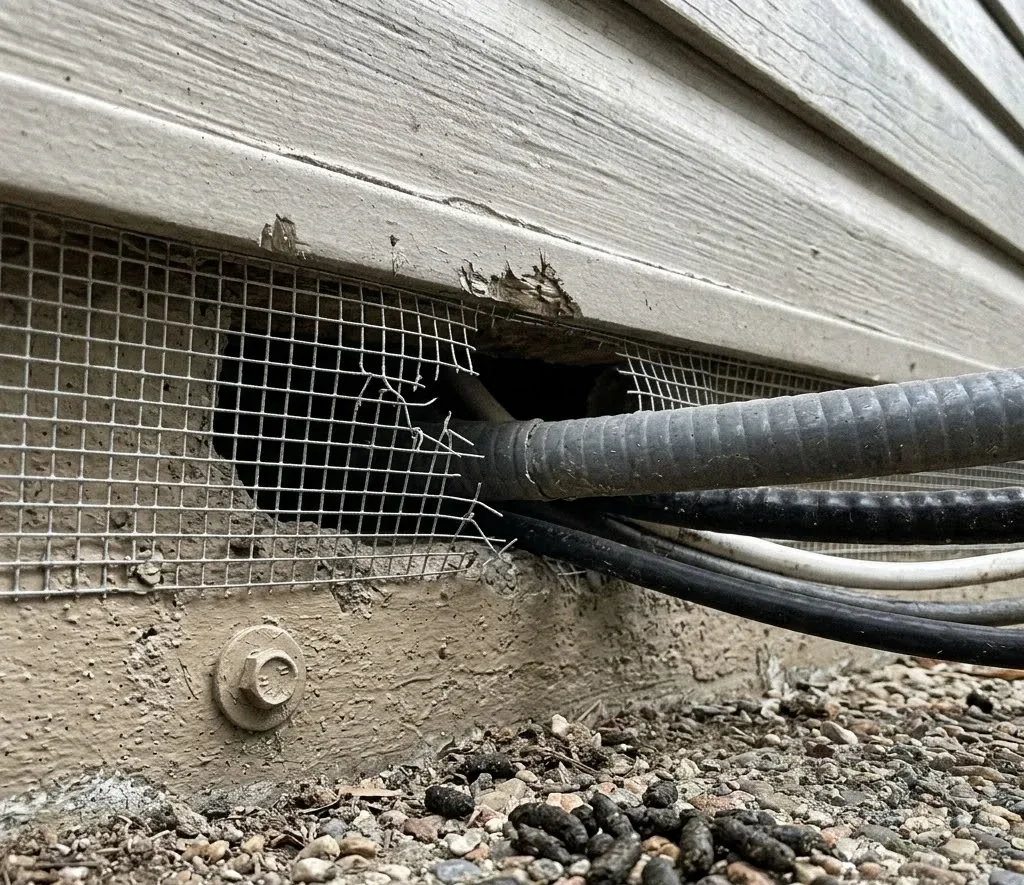
Trapping clears what's inside. Sealing the entry point stops the next one from moving in.
Learn about Rodent Exclusion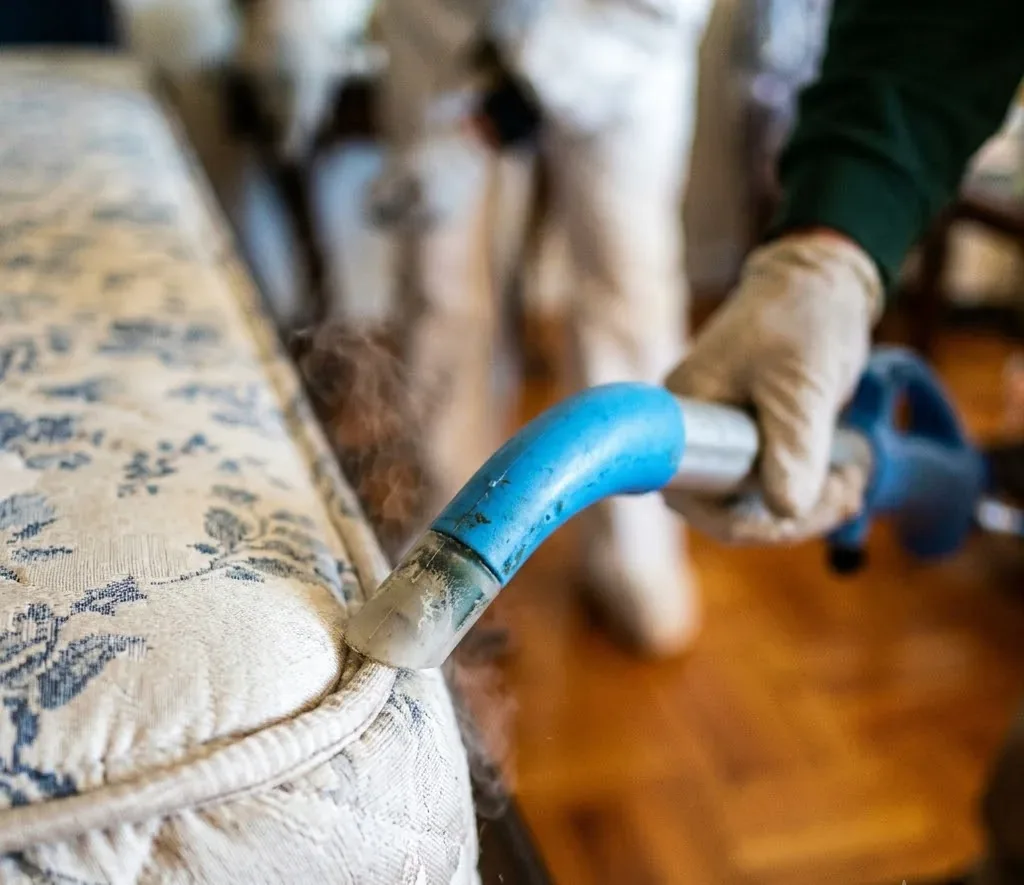
Bed bugs spread room to room and unit to unit. Confirmed treatment that reaches the harborage sprays miss.
Learn about Bed Bug TreatmentYes. Downtown Clearwater has converted apartments above retail along Cleveland Street and Court Street, and pests move through shared walls and plumbing risers in that kind of building. We treat these as building-wide jobs, not single-unit fixes, and coordinate access with property managers when needed.
Downtown is central, so response times run quick, often within a day. Being close to Fort Harrison Avenue and near Coachman Park means the licensed pros we connect you with can usually work a downtown call into the same day's route without much delay.
The district's older buildings have aging foundations and utility penetrations that give roof rats and roaches easy access, and slab moisture near the bay keeps conditions favorable year-round. Sealing entry points at the perimeter and roofline matters more here than trapping alone.
Yes. Downtown Clearwater has restaurants, offices, and retail along Cleveland Street and Fort Harrison Avenue that need pest coverage without disrupting business hours. The licensed pros we connect you with schedule around your operating hours and provide the documentation health inspectors ask to see.
Yes. Products are EPA-registered and applied by licensed technicians, focused on entry points and perimeter rather than blanket spraying. In a mixed-use area like Downtown Clearwater, with apartments above storefronts near Coachman Park, they'll walk you through re-entry timing before starting.
Homes here sit on slab foundations, not basements, so the usual advice about sump pumps and below-grade rim joists misses the point entirely. Pests get in through soffits, weep holes, and gaps at the slab edge instead. That's the local entry story, from Island Estates to Countryside.
If you are near Harbor Oaks, Del Oro Groves or anywhere else inside this coverage area, a call settles whether the visit can happen and when. Clearwater properties near the water table often show different pressure than ones further from Old Tampa Bay, so location shapes what gets checked first. The look is free regardless of what turns up, and anything urgent after a heavy rain event usually gets bumped ahead of routine calls.
Call (727) 558-4422