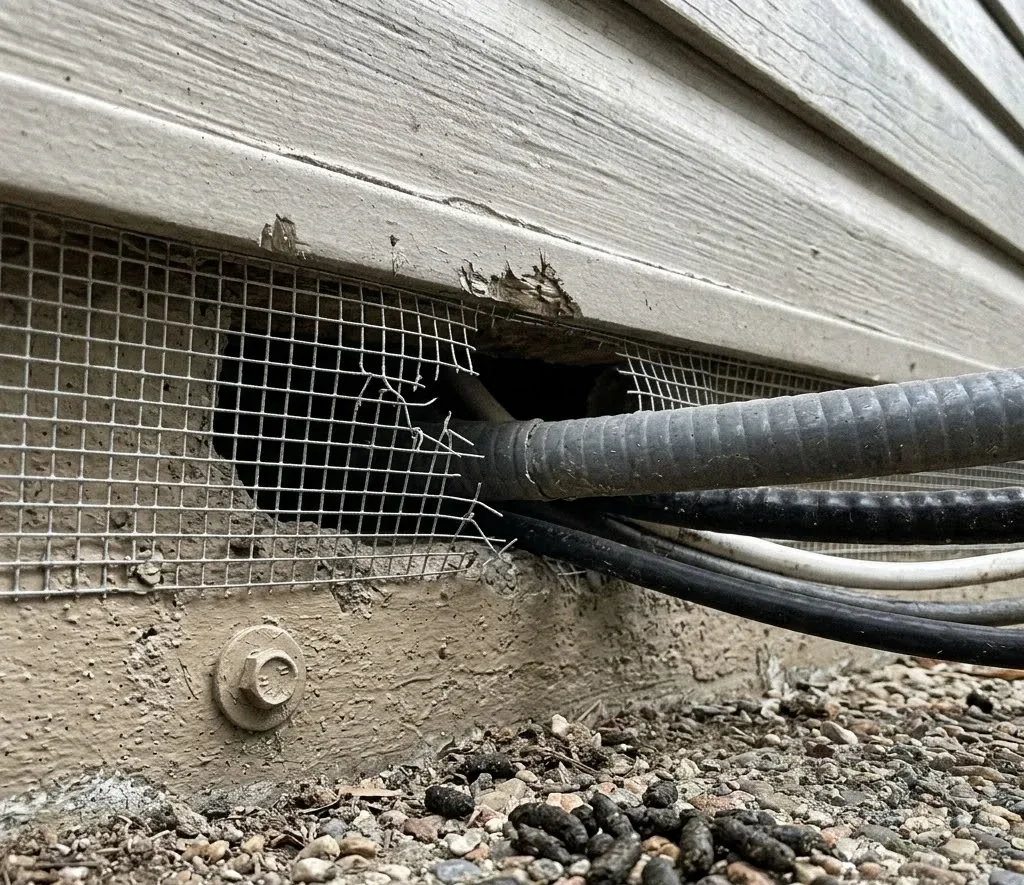
Rodent Exclusion
Trapping clears what's inside. Sealing the entry point stops the next one from moving in.
Learn about Rodent ExclusionNorth Greenwood's older housing stock and settled slab foundations near downtown make termite and roach pressure a bigger factor than in newer subdivisions.
North Greenwood sits just north of downtown Clearwater, centered on North Martin Luther King Jr. Avenue, once called Greenwood Avenue when orange groves covered the area. The housing here is older and modest, mostly single-family homes built mid-20th century, sitting on slab foundations with no basement to worry about. That age matters for pest pressure: original wood trim, older soffits, and foundations that have settled over decades open gaps that newer construction doesn't have. The city's redevelopment work through the North Greenwood Community Redevelopment Area has brought some renovation, but plenty of homes still carry original construction details. Sandy Pinellas County soil and a high water table keep moisture near these slabs year-round, which draws subterranean termites and keeps roaches active in every season, not just summer. An inspection here is really about checking how an older home has aged, not applying a generic checklist.
From Island Estates seawalls to Countryside yards, what draws pests in shifts block by block across Clearwater.
Most of North Greenwood is early-to-mid 20th-century single-family frame and block homes, historically African-American community. On a slab house the trouble is never the middle of a wall — it is the seams: where the soffit meets the fascia, where a hose bib or dryer vent passes through block, where the weep holes sit at the slab edge. Those are the first things worth a look.
Pinellas County's humidity and sandy soil keep pests active year-round in North Greenwood, with no real winter slowdown to rely on. A one-time spray misses what's coming next month near Old Bay District; a standing schedule catches it before it's a problem.
Around North Greenwood there is a steady mix of tenanted and mixed-use property. Those jobs live or die on discretion and documentation — service outside trading hours, and a record of what was done and where.
What a treatment runs depends on your home's size, the pest, and whether Sand Key humidity or a Countryside slab is involved.
| Service | Estimated cost |
|---|---|
| Rodent Exclusion | an estimated $189–$499 |
| Attic Pest Control | an estimated $229–$750 |
| General Pest Control | an estimated $99–$239 |
| Termite Inspection | an estimated $449–$1400 |
Downtown Clearwater's proximity means older homes here face steady termite and roach pressure tied to age, not location.
Redevelopment through the North Greenwood Community Redevelopment Area is updating some homes, but many retain original wood trim.
Sandy soil and a high water table near Fort Harrison Avenue keep moisture against slabs, drawing subterranean termites.
Trapping clears what's inside. Sealing the entry point stops the next one from moving in.
Learn about Rodent Exclusion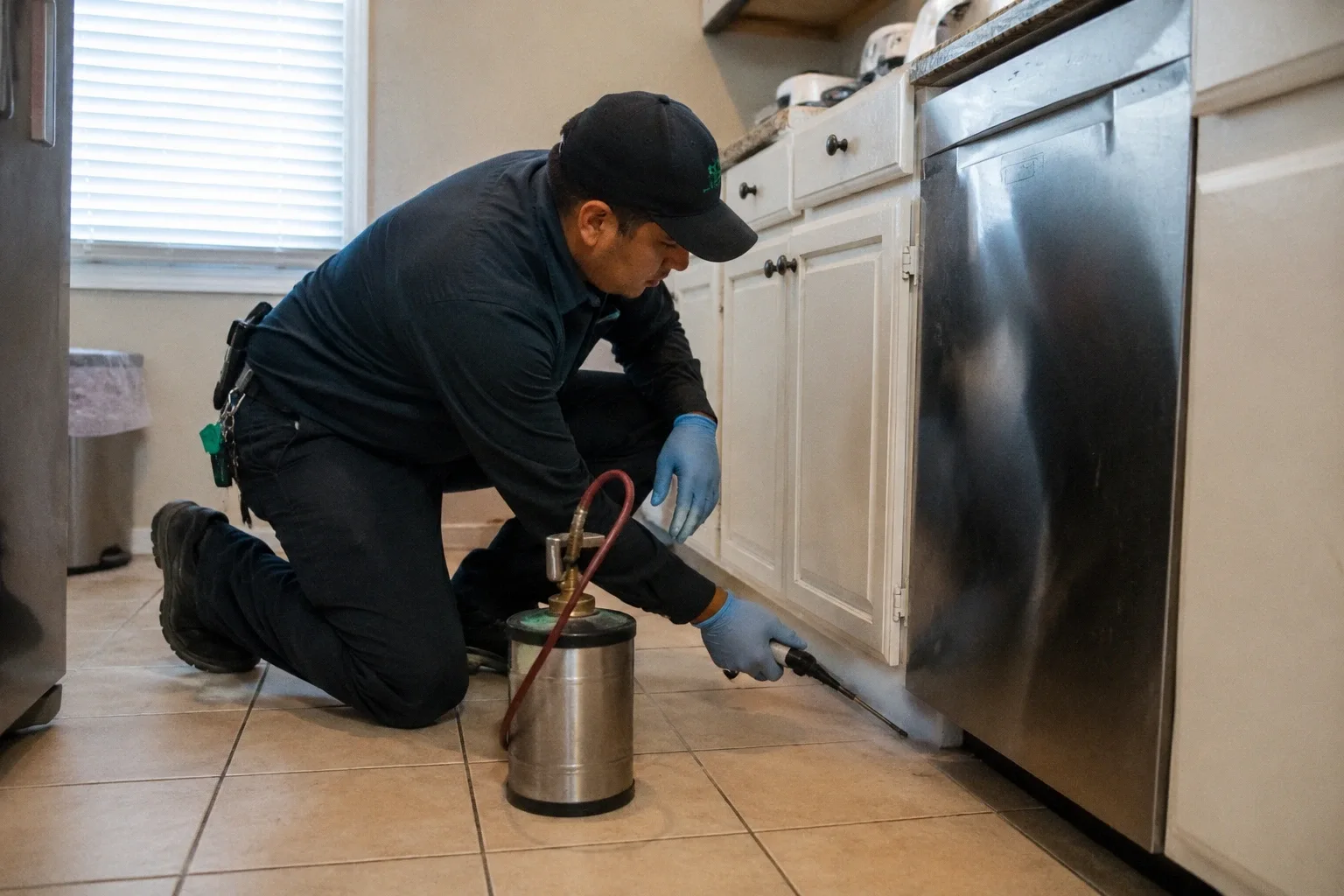
One plan for the ants, roaches, spiders and silverfish that never really leave a Clearwater house alone.
Learn about General Pest Control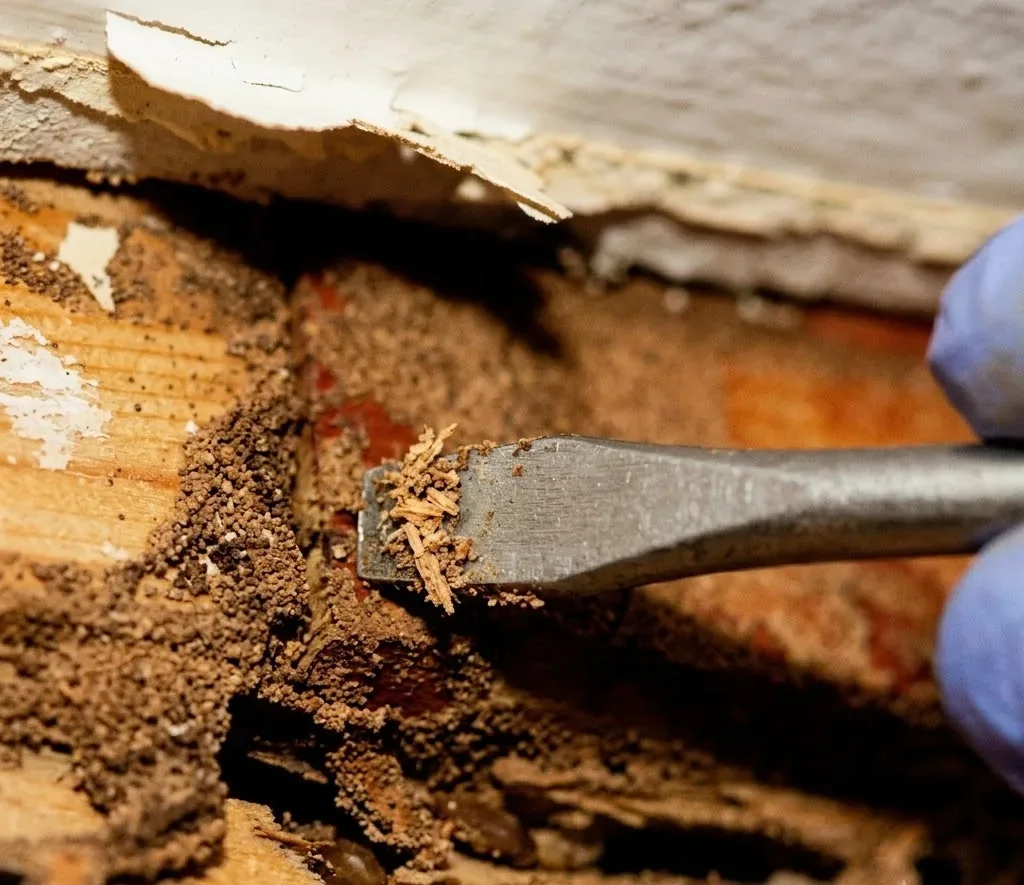
A close look at the foundation, sill plates, and attic for the mud tubes and wood damage subterranean termites leave behind.
Learn about Termite InspectionNorth Greenwood's older homes near Martin Luther King Jr. Avenue sit on slab foundations, and many have settled over the decades, opening small gaps at the perimeter. Combined with sandy Pinellas soil, that draws subterranean termites. A yearly inspection catches activity early, before it reaches framing hidden behind walls or under flooring.
Older wood trim, window frames, and soffits common in North Greenwood's mid-century homes are exactly what drywood termites and wood-destroying beetles target. Renovated homes from the redevelopment work fare better, but original construction still has vulnerable points. A visual inspection of trim, eaves, and any exposed wood catches most of it early.
Very common. Roof rats and squirrels find their way into attics through gaps in older rooflines and soffits that have shifted with the house's age. Once inside, they chew wiring and insulation. Sealing entry points at the roofline and checking attic access panels is the standard fix, and it holds up well once done properly.
North Greenwood is close to downtown Clearwater, so it's a quick area to reach. Same-day or next-day appointments are typically available depending on the issue and current schedule.
Yes. Palmetto bugs, which cover both American and Florida woods cockroaches, show up regularly in older homes here, especially near slab edges and damp spots. They're drawn to moisture and gaps in foundations that come with age. Regular perimeter treatment and sealing entry points around the slab keeps populations down.
Termite pressure comes mainly from Eastern subterranean and Formosan subterranean termites, plus West Indian drywood termites, all active regardless of season. A slab foundation doesn't stop them from finding a way up through expansion joints or door thresholds near Cleveland Street storefronts.
If you are near Harbor Oaks, Del Oro Groves or anywhere else inside this coverage area, a call settles whether the visit can happen and when. Clearwater properties near the water table often show different pressure than ones further from Old Tampa Bay, so location shapes what gets checked first. The look is free regardless of what turns up, and anything urgent after a heavy rain event usually gets bumped ahead of routine calls.
Call (727) 558-4422