Mosquito & Tick Control
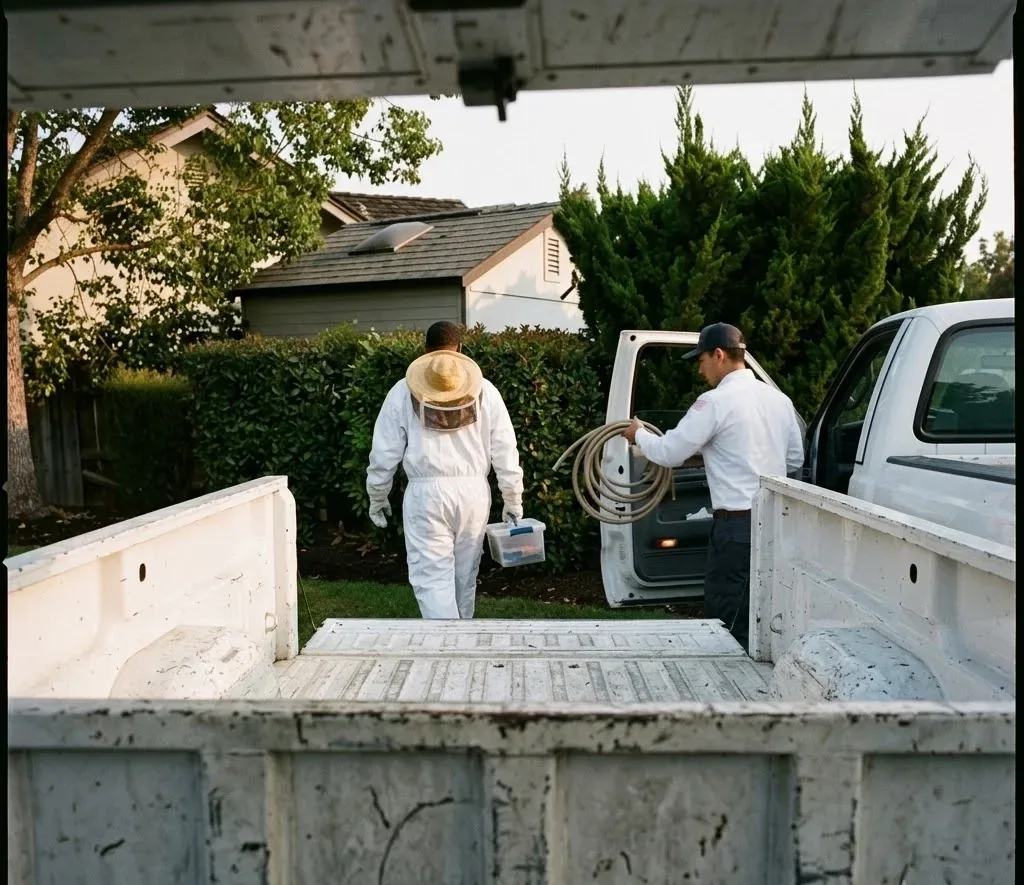
Barrier treatment for the standing water, wood lines, and shrub beds where mosquitoes and ticks actually live.
Learn about Mosquito & Tick ControlNo single subdivision plan here — homes near the VA campus and Tampa Bay vary in age, so each slab and moisture line gets checked on its own.
Bay Pines is an unincorporated stretch on Tampa Bay, most known locally for the Bay Pines VA Healthcare System rather than for tract housing or a subdivision name, and that changes what pest work here actually looks like. Instead of one builder's plan repeating street after street, you get a mix of ages and slab foundations sitting close to the water table, which keeps ground moisture near the perimeter most of the year. That moisture is the constant: it draws subterranean termites to slab edges and keeps ants working the foundation line even in dry stretches. Being this close to Tampa Bay also means yard drainage matters more than it would a mile inland toward Belcher Road. An inspection here starts at the slab and the moisture around it, not at a floor plan, because there isn't one plan to start from.
Slab foundations, standing water after rain, and year-round warmth around Old Tampa Bay keep pests active in every season here.
Bay Pines is mostly mostly institutional/VA campus with surrounding mid-century residential pockets. Block walls move less than frame, but the joints and the stucco crack anyway, and a hairline gap at an expansion joint is a straight run from soil to wall cavity for ants and subterranean termites.
Being near Boca Ciega Bay keeps the ground and the air damp for most of the year. Damp soil against a slab edge is what subterranean termites want, and damp framing in an attic is what drywood termites and roaches want, so moisture is treated as part of the pest problem here rather than a separate one.
Tampa Bay keeps ground moisture near the slab most of the year, so ants and termites stay active without a real seasonal break. Rainy season, June through September, pushes activity indoors around Countryside and Skycrest as yards hold standing water longer.
Storefronts and small commercial units near Bay Pines run on different standards: defined treatment zones, low-odor products where food is handled, and paperwork an inspector can read without it needing explaining.
Home size, pest type, and how far a property sits from Sand Key or Downtown Clearwater all shift the final price.
| Service | Estimated cost |
|---|---|
| Mosquito & Tick Control | an estimated $69–$139 |
| General Pest Control | an estimated $99–$239 |
| Termite Inspection | an estimated $449–$1400 |
| Quarterly Pest Protection | an estimated $89–$139 |
The Bay Pines VA Healthcare System anchors the area more than any subdivision name, with Tampa Bay's moisture close behind it.
Tampa Bay sits right along Bay Pines, keeping ground moisture near slab foundations high through most of the year.
Belcher Road runs inland from here, marking the point where the bay's moisture pressure starts to ease off.
Barrier treatment for the standing water, wood lines, and shrub beds where mosquitoes and ticks actually live.
Learn about Mosquito & Tick Control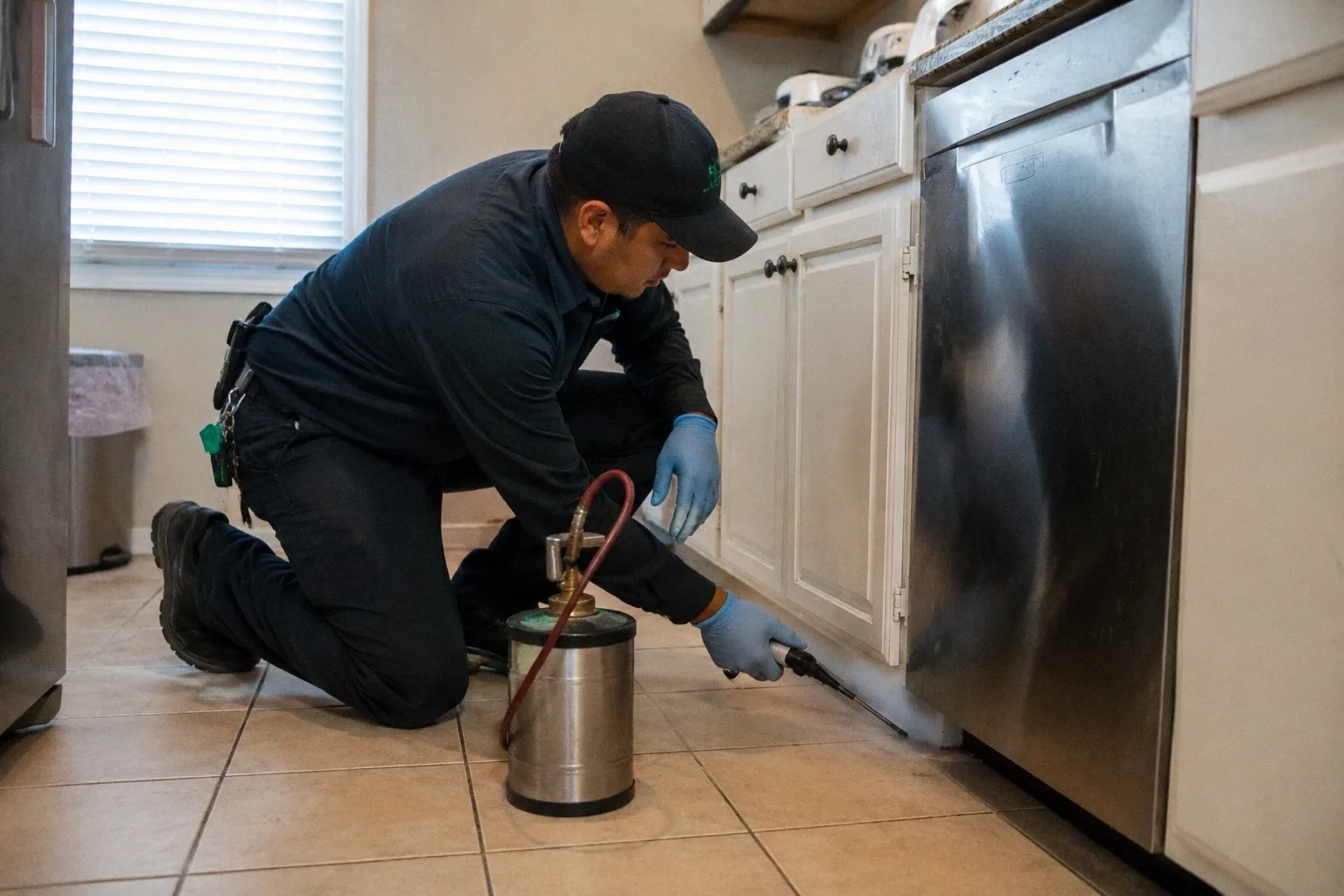
One plan for the ants, roaches, spiders and silverfish that never really leave a Clearwater house alone.
Learn about General Pest Control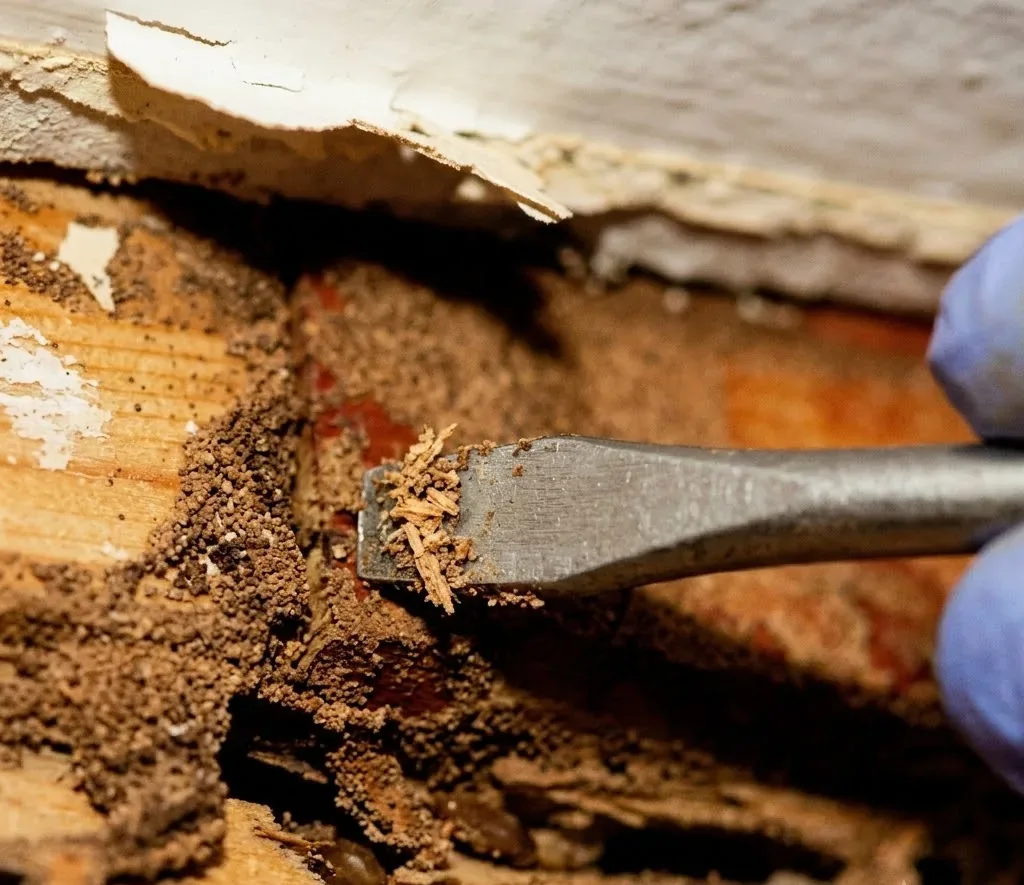
A close look at the foundation, sill plates, and attic for the mud tubes and wood damage subterranean termites leave behind.
Learn about Termite Inspection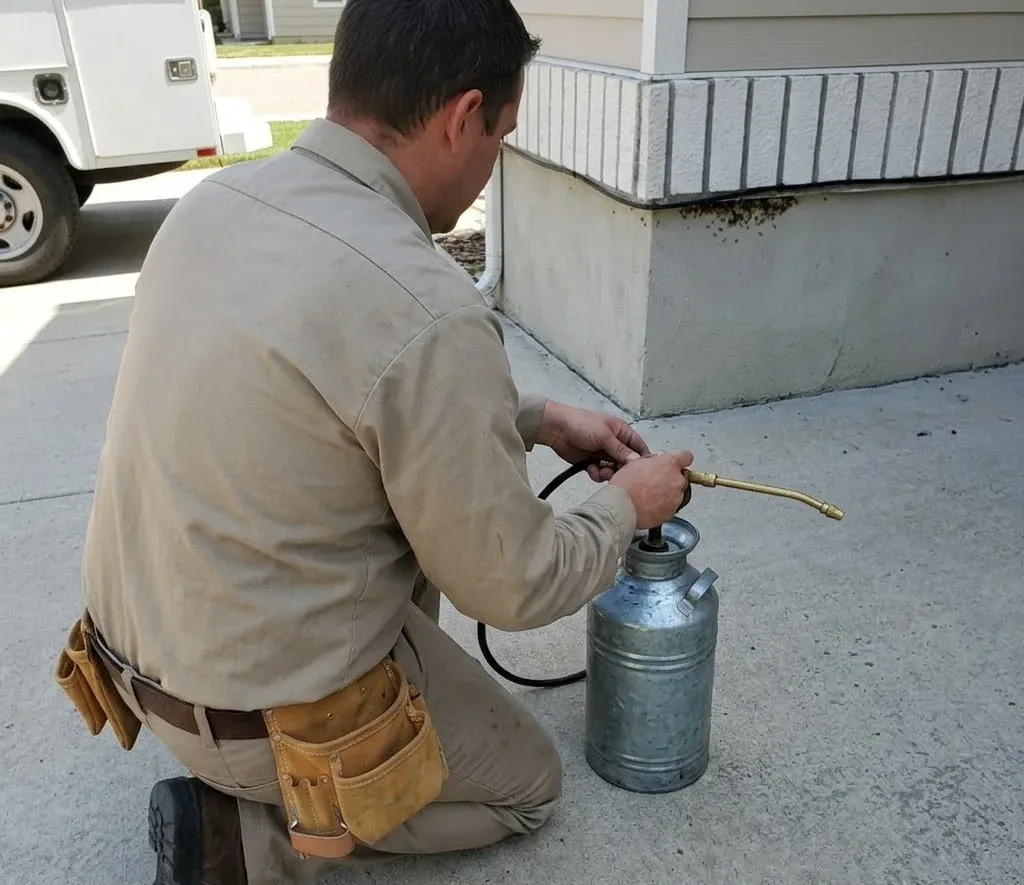
Four seasonal visits a year, timed to Clearwater's pest cycle, with free callbacks between visits.
Learn about Quarterly Pest ProtectionNot automatically. Without one repeated house plan here, a problem next door doesn't mean the same thing is happening at yours. What matters more is shared exposure — same soil, same distance from Tampa Bay, same moisture pattern — so a neighbor's termite or ant issue is worth mentioning at inspection, but it's not a diagnosis.
Anywhere the slab meets soil that stays damp. With homes here built at different times rather than to one plan, the inspection has to check each foundation line on its own terms — expansion joints, utility penetrations, and any spot where grade sits high against the slab.
It can, but less than in a single subdivision, since houses here weren't built to the same plan or the same year. A neighbor's ant or termite trouble is still worth noting, because it points to shared soil and moisture conditions near the bay, even without an identical structure.
Yes, if the properties are close enough on the ground. Bay Pines covers a mix of home ages near the VA healthcare campus and the bay, so grouping visits by proximity works, though each inspection still has to be judged on that house's own foundation and moisture exposure.
A schedule built around the moisture near Tampa Bay: termite and ant checks at the slab through the warmer months, mosquito attention after rainy-season downpours, and a look at attic and soffit entry points for raccoons or squirrels once a year.
Homes here sit on slab foundations, not basements, so the usual advice about sump pumps and below-grade rim joists misses the point entirely. Pests get in through soffits, weep holes, and gaps at the slab edge instead. That's the local entry story, from Island Estates to Countryside.
If you are near Harbor Oaks, Del Oro Groves or anywhere else inside this coverage area, a call settles whether the visit can happen and when. Clearwater properties near the water table often show different pressure than ones further from Old Tampa Bay, so location shapes what gets checked first. The look is free regardless of what turns up, and anything urgent after a heavy rain event usually gets bumped ahead of routine calls.
Call (727) 558-4422