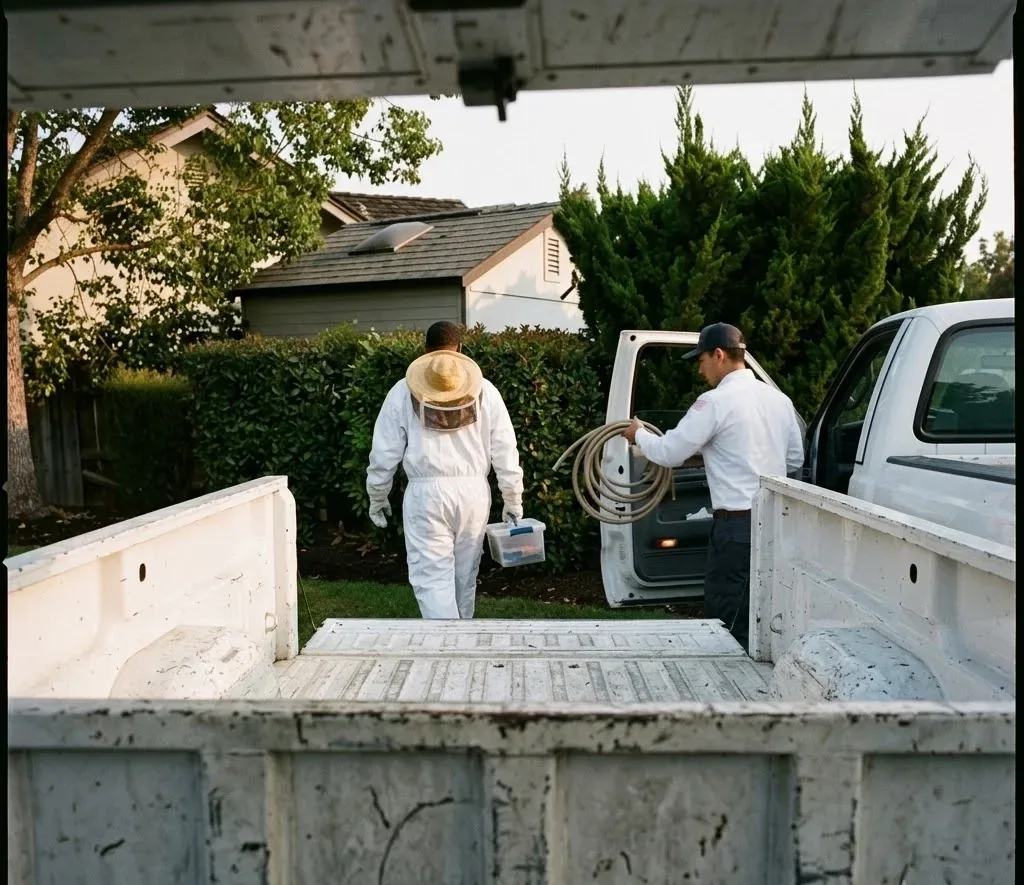
Mosquito & Tick Control
Barrier treatment for the standing water, wood lines, and shrub beds where mosquitoes and ticks actually live.
Learn about Mosquito & Tick ControlA sprawling metro across the bay from Clearwater, with slab foundations and mixed housing eras driving different pest-entry points block to block.
Tampa is the big city across the water from Clearwater, connected by the Courtney Campbell Causeway over Old Tampa Bay. It's a different market from the barrier islands and bay-side neighborhoods we usually cover — bigger, with its own drainage systems, soil conditions, and pest pressure that would need their own research to describe honestly. We don't have confirmed neighborhood-level housing data, foundation types, or local landmarks for Tampa specific enough to write a page that means anything to a Tampa homeowner. Rather than guess at details that could be wrong, we're leaving this page short until we have real facts about Tampa's housing stock, soil, and pest patterns to work from.
Clearwater homes sit on slab foundations near Old Tampa Bay and the Gulf, where soffits, gutters, and standing water after rain give pests easy openings.
The building stock in Tampa runs to wide mix from historic Hyde Park/Ybor City bungalows to downtown high-rises. Slab-on-grade means there is no crawl space to inspect from below, so the entry routes that matter are all at the roofline and the ground course — and both are easy to miss from inside the house.
Anywhere close to Hillsborough River and Tampa Bay, rainy-season downpours leave standing water for days. That is a mosquito nursery inside a week, so the first thing worth walking is the yard — low spots, blocked gutters, plant saucers, anything holding water.
Rainy season runs June through September, with heavy downpours leaving standing water in low yards that draws mosquitoes fast. King tides and heavy rain near Sand Key and Island Estates change what shows up at the door, not whether anything does.
Multi-unit buildings around Tampa are where a small problem becomes a building-wide one. Waste handling and shared utility chases are the usual pressure points, and a scheduled program around them beats reacting to a sighting.
Slab construction near Old Tampa Bay, humidity, and how close a home sits to standing water all shift what a treatment plan costs.
| Service | Estimated cost |
|---|---|
| Mosquito & Tick Control | an estimated $69–$139 |
| Rodent Exclusion | an estimated $189–$499 |
| Commercial Pest Control | an estimated $89–$249 |
The Courtney Campbell Causeway connects Tampa to Clearwater, crossing Old Tampa Bay along State Road 60.
Old Tampa Bay borders the metro's western edge, with low-lying shoreline areas prone to standing water after storms.
Tampa Bay itself shapes drainage patterns across the region, influencing where rainwater collects near homes.
Barrier treatment for the standing water, wood lines, and shrub beds where mosquitoes and ticks actually live.
Learn about Mosquito & Tick Control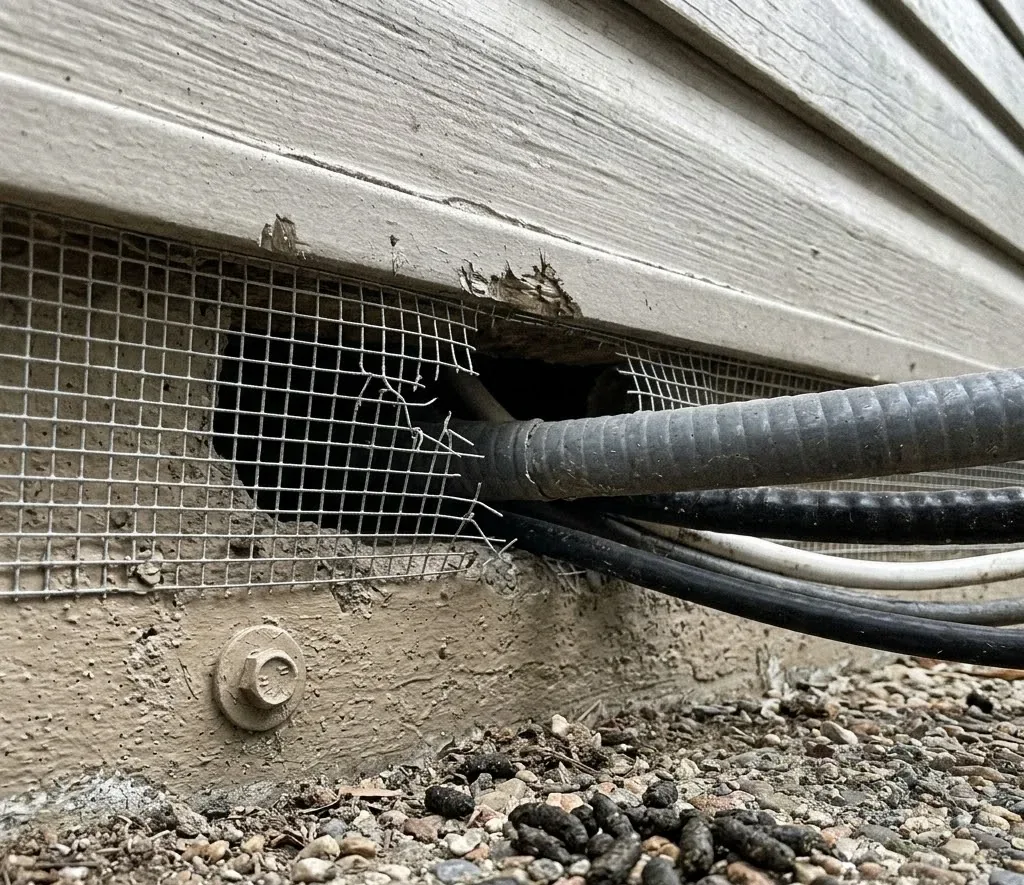
Trapping clears what's inside. Sealing the entry point stops the next one from moving in.
Learn about Rodent Exclusion
Documented pest control built for audits, health inspections, and facilities that can't afford a surprise.
Learn about Commercial Pest Control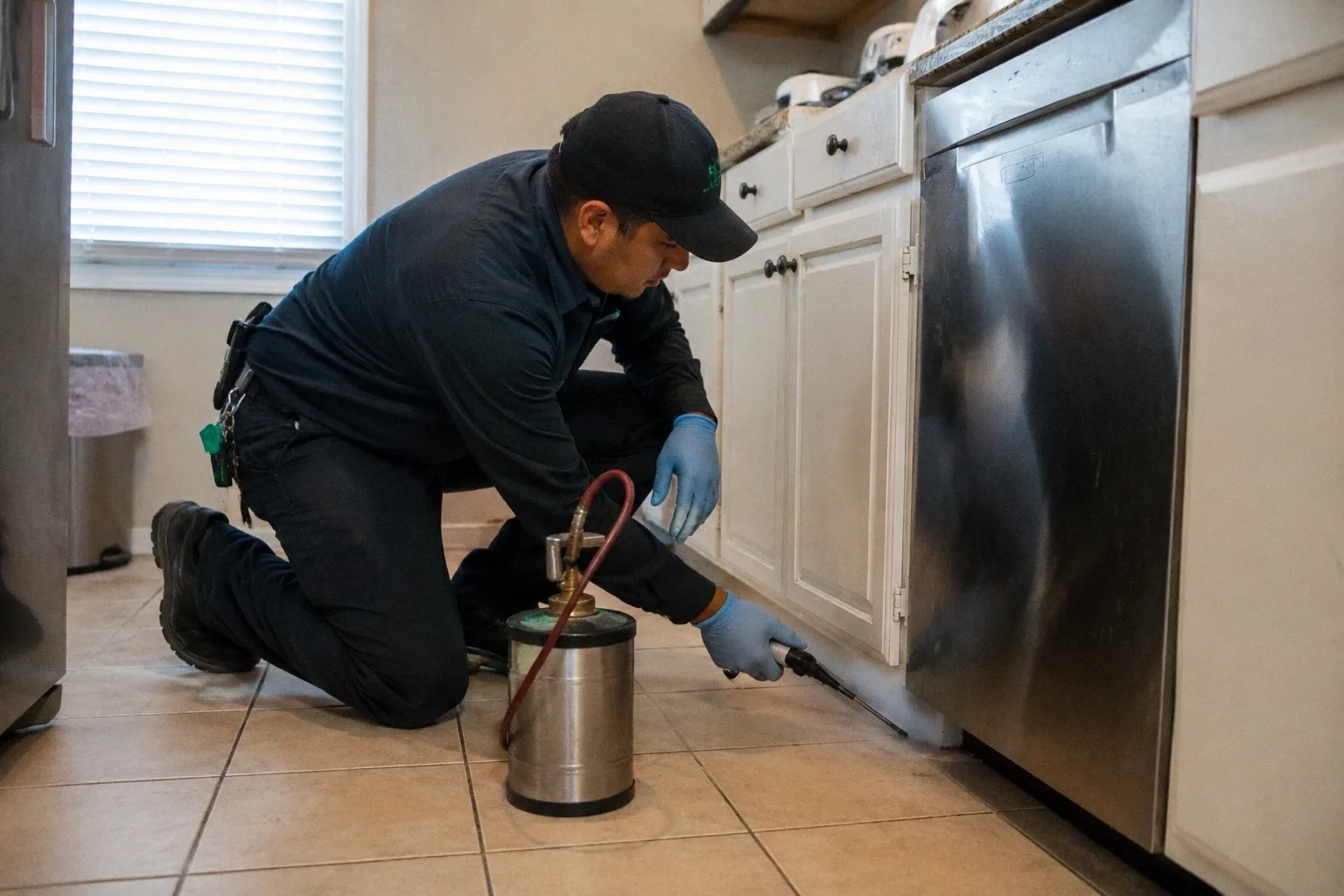
One plan for the ants, roaches, spiders and silverfish that never really leave a Clearwater house alone.
Learn about General Pest ControlWe don't have confirmed details on Tampa's housing ages, foundation types, or soil conditions yet, so we can't give a specific answer for Tampa the way we can for Clearwater and the surrounding Pinellas County communities we've researched.
The licensed pros we connect you with cover this broader region, but this particular page is limited until we can confirm local details for Tampa specifically. Check back, or ask about a Clearwater-area neighborhood we've already researched.
Termites are a real concern in this area, given the age spread of homes across the metro. Subterranean termite pressure is common in Florida generally, and a licensed inspector can tell you if a particular property shows activity or damage.
Sounds could mean squirrels or raccoons using the attic or soffit gaps as an entry point, which is common in older roof lines. Sealing those gaps and checking for damage is usually the first move before anything else.
Standing water after a heavy rain is the main draw. Checking gutters, low spots in the yard and anywhere water collects near the foundation cuts down on mosquito breeding fast, especially during the wetter months.
Attics and soffits are the real wildlife doorways, not crawlspaces or basements that don't exist here. Squirrels and raccoons work roof lines and vents on older homes near Skycrest and Morningside the same way they do near newer construction out toward Countryside Boulevard.
If you are near Harbor Oaks, Del Oro Groves or anywhere else inside this coverage area, a call settles whether the visit can happen and when. Clearwater properties near the water table often show different pressure than ones further from Old Tampa Bay, so location shapes what gets checked first. The look is free regardless of what turns up, and anything urgent after a heavy rain event usually gets bumped ahead of routine calls.
Call (727) 558-4422