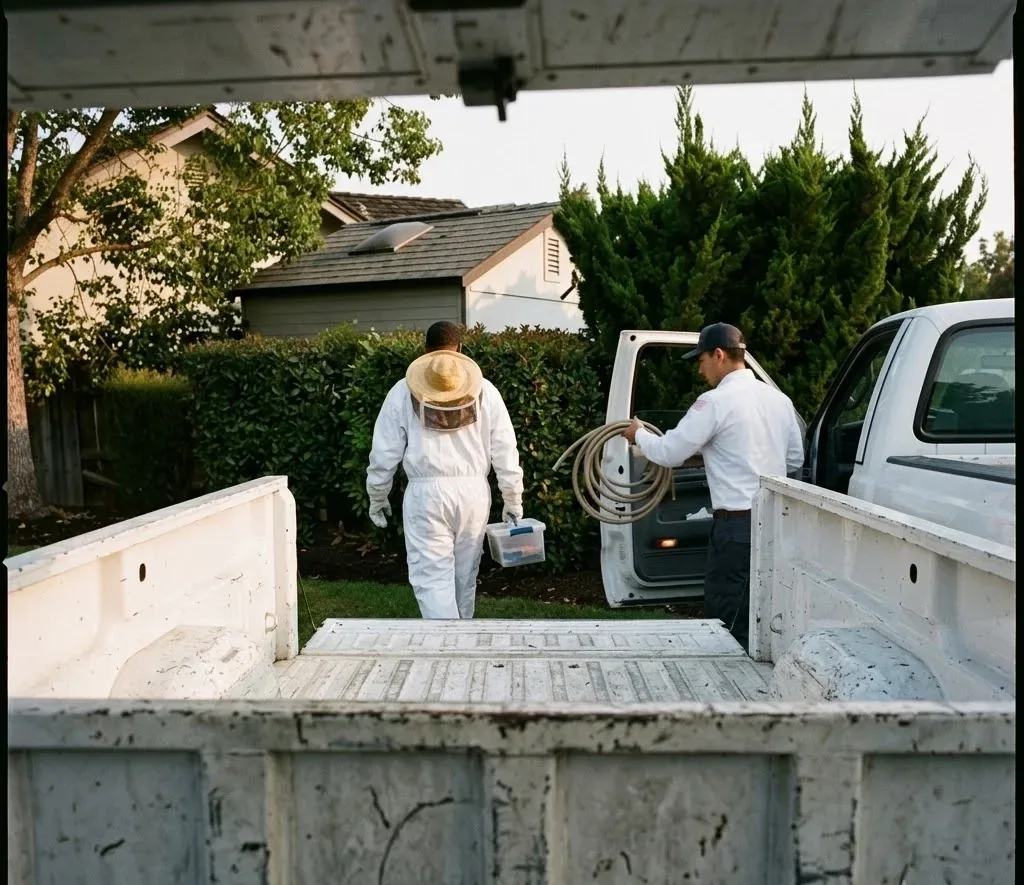
Mosquito & Tick Control
Barrier treatment for the standing water, wood lines, and shrub beds where mosquitoes and ticks actually live.
Learn about Mosquito & Tick ControlAcross Old Tampa Bay from Clearwater, sharing the same slab foundations, sandy soil, and year-round pest activity.
St. Petersburg sits across Old Tampa Bay from Clearwater, reached by the Courtney Campbell Causeway, and shares the same slab-on-grade building pattern — no basements, no crawl spaces, because the water table sits close to the surface. That matters for pest entry: pipes and slab penetrations are the path in, not a below-grade wall. Clearwater's own housing carries the same sandy soil and drainage issues that push ants and roaches toward a dry foundation line after rain. Rainy season, June through September, brings standing water fast, and mosquitoes follow it. King tides and heavy rain events strain drainage on both sides of the bay. Termites, ghost ants, and palmetto bugs stay active year-round here since winters on the coast rarely reach freezing. An inspection around the perimeter and slab edge tells you more than a guess ever will.
Slab foundations, humid air, and standing water after storms give pests near Sand Key and Old Bay District easy entry.
St. Petersburg is built around wide range from early-1900s bungalows downtown to modern high-rise condos. On construction like this the inspection starts outside and works up: slab edge, weep holes, utility penetrations, then the soffit line and the roof returns, because that is the order pests actually use.
Sitting near Tampa Bay and Gulf of Mexico means the outside of the building takes more punishment. Swollen trim, failed caulk and rusted screen frames all open routes in, so sealing the shell matters more here than any product does.
Rainy season runs June through September; winters stay mild, so pest activity here doesn't slow down the way it does further north. Rainy season packs Clearwater's activity into June through September, so treatments here follow that surge instead of one flat dose spread across twelve identical months.
Commercial work near St. Petersburg usually starts at the loading side of the building. Deliveries bring pests in past every door seal there is, so a receiving check does more than another perimeter spray.
Slab homes near Clearwater Harbor, older Skycrest bungalows, and Sand Key condos each price differently based on access and pest pressure.
| Service | Estimated cost |
|---|---|
| Mosquito & Tick Control | an estimated $69–$139 |
| Bed Bug Treatment | an estimated $299–$1100 |
| Commercial Pest Control | an estimated $89–$249 |
| General Pest Control | an estimated $99–$239 |
The Courtney Campbell Causeway crosses Old Tampa Bay, linking this side to Clearwater and Tampa.
Old Tampa Bay itself shapes drainage and humidity patterns on both shorelines, including here.
Tampa sits east across the bay, reached by the same causeway corridor used daily.
Barrier treatment for the standing water, wood lines, and shrub beds where mosquitoes and ticks actually live.
Learn about Mosquito & Tick Control
Bed bugs spread room to room and unit to unit. Confirmed treatment that reaches the harborage sprays miss.
Learn about Bed Bug Treatment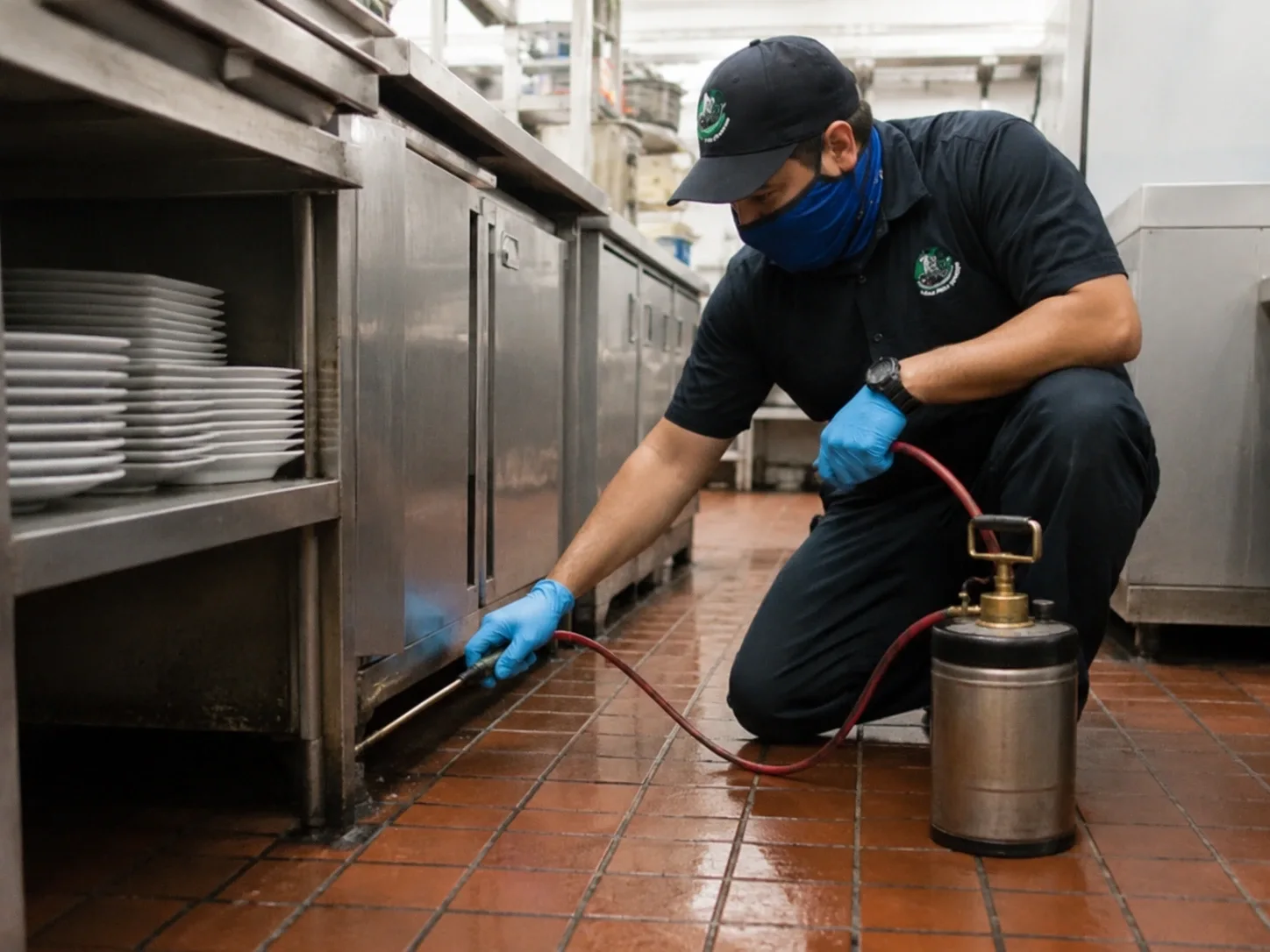
Documented pest control built for audits, health inspections, and facilities that can't afford a surprise.
Learn about Commercial Pest Control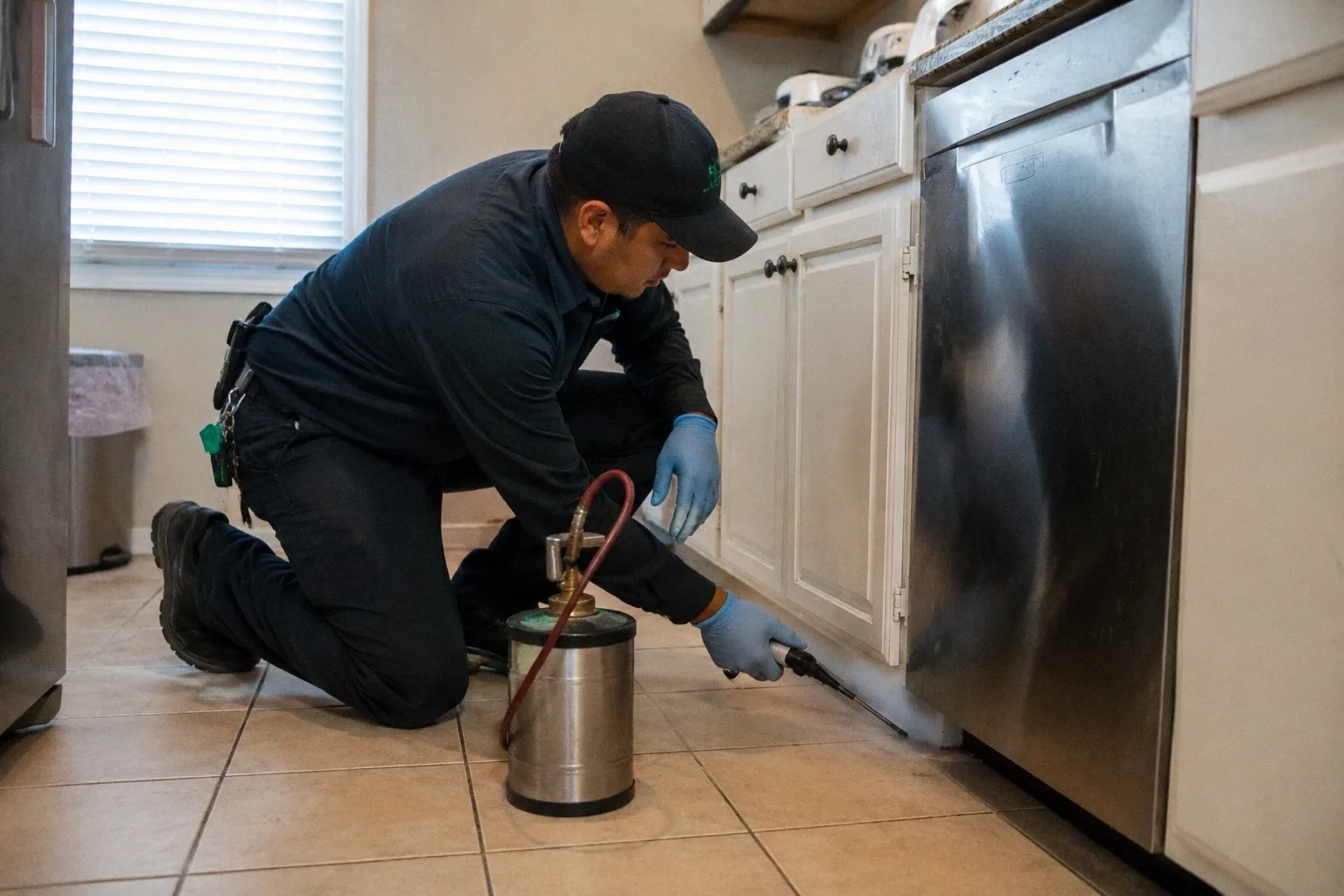
One plan for the ants, roaches, spiders and silverfish that never really leave a Clearwater house alone.
Learn about General Pest ControlNorth Greenwood · Skycrest · Countryside · Dunedin · Safety Harbor · Largo · Belleair Beach · Palm Harbor
No. Homes on this side of the bay, including Clearwater, sit on slab-on-grade foundations because of the high water table and sandy soil. There's no basement or crawl space to check — pest entry happens at slab penetrations, door thresholds, and roof or soffit gaps instead.
Rain pushes ground moisture up, and ants move toward drier ground — often a slab foundation or a house perimeter. Ghost ants and fire ants both do this locally. It's not that rain creates the ants; it displaces colonies already living in the yard soil nearby.
Yes. Subterranean termites travel through soil and can enter through slab cracks, expansion joints, or gaps where plumbing passes through the foundation. Slab construction doesn't block them the way people assume — it just changes where the entry points are.
In this area it's usually a raccoon or squirrel using a soffit gap or a broken roof vent to get into the attic. It's a separate issue from ground-level pests like ants or termites, and the entry point is almost always up high, not at the foundation.
Given the slab foundation and high water table common to this part of the bay, a wood-destroying-organism inspection is standard practice before closing. It checks the slab edge and perimeter for termite activity that isn't visible from a normal walkthrough.
Attics and soffits are the real wildlife doorways, not crawlspaces or basements that don't exist here. Squirrels and raccoons work roof lines and vents on older homes near Skycrest and Morningside the same way they do near newer construction out toward Countryside Boulevard.
If you are near Harbor Oaks, Del Oro Groves or anywhere else inside this coverage area, a call settles whether the visit can happen and when. Clearwater properties near the water table often show different pressure than ones further from Old Tampa Bay, so location shapes what gets checked first. The look is free regardless of what turns up, and anything urgent after a heavy rain event usually gets bumped ahead of routine calls.
Call (727) 558-4422