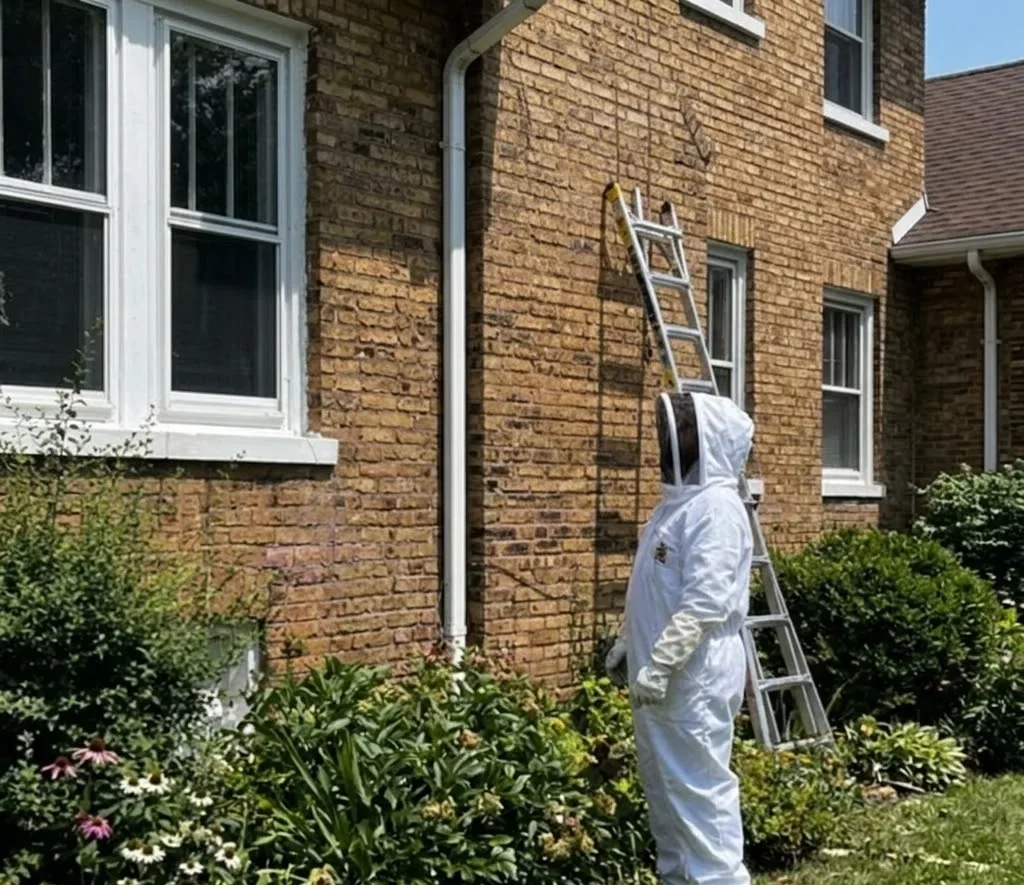
Roof rats don't dig under a slab, they climb. Palm fronds, oaks near Del Oro Groves, and utility lines all lead straight to the roofline. Once a rat reaches the edge, it's looking for the same few weak points every house has: where the soffit meets the fascia, gaps around vent pipes, and loose tile ridges. Fix the overhead route first.
Start at the soffit and fascia line
Soffit panels come loose from age, sun, and salt air off Old Tampa Bay, and a gap of half an inch is enough for a roof rat to squeeze through. Walk the fascia line and press on each panel; anything that flexes or has a visible seam needs metal flashing or a solid patch, not just caulk, which rats chew through in a season.
Screen every vent, not just the obvious ones
Gable vents, ridge vents, and soffit vents all move air through the attic, and all of them are unscreened on plenty of older homes. Cover each one with corrosion-resistant hardware cloth, not window screen, which a rat's teeth go through in minutes. Check ridge caps too; a lifted or cracked tile along the peak is an easy gap.
Cut the tree line back from the roof
A branch touching the shingles is a bridge, and rats use it exactly that way. Keep tree limbs, especially near mature canopy in older sections like Harbor Oaks or Morningside, trimmed back several feet from the roofline. Vines and shrubs pressed against exterior walls give the same boost, so keep plantings off the siding too.
Work top to bottom, not bottom to top
Seal the attic entry points before worrying about ground-level gaps; a rat that's already living overhead won't care about a sealed garage door. Start with the roofline and soffits, move to vents and ridge tiles, then address the tree line last, since a well-fed rat with no way in from the branches has fewer reasons to test the roof at all.
Check the attic every few months
Rat activity in this area doesn't pause for a cold season, so a spring check isn't enough. Look for dark rub marks along rafters, chewed insulation, and droppings near the eaves. Catching a gap early, before it becomes a nest, is the difference between a patch job and pulling out soiled insulation.
Dealing with this in your home?
Rainy season floods yards from Countryside to Sand Key, and pests move indoors the moment ground gets wet. If your Clearwater address keeps ending up on this list, get someone to look before signing a lease or a repair estimate. Dial (727) 558-4422 and describe what you're seeing; that's usually enough to know the next step.