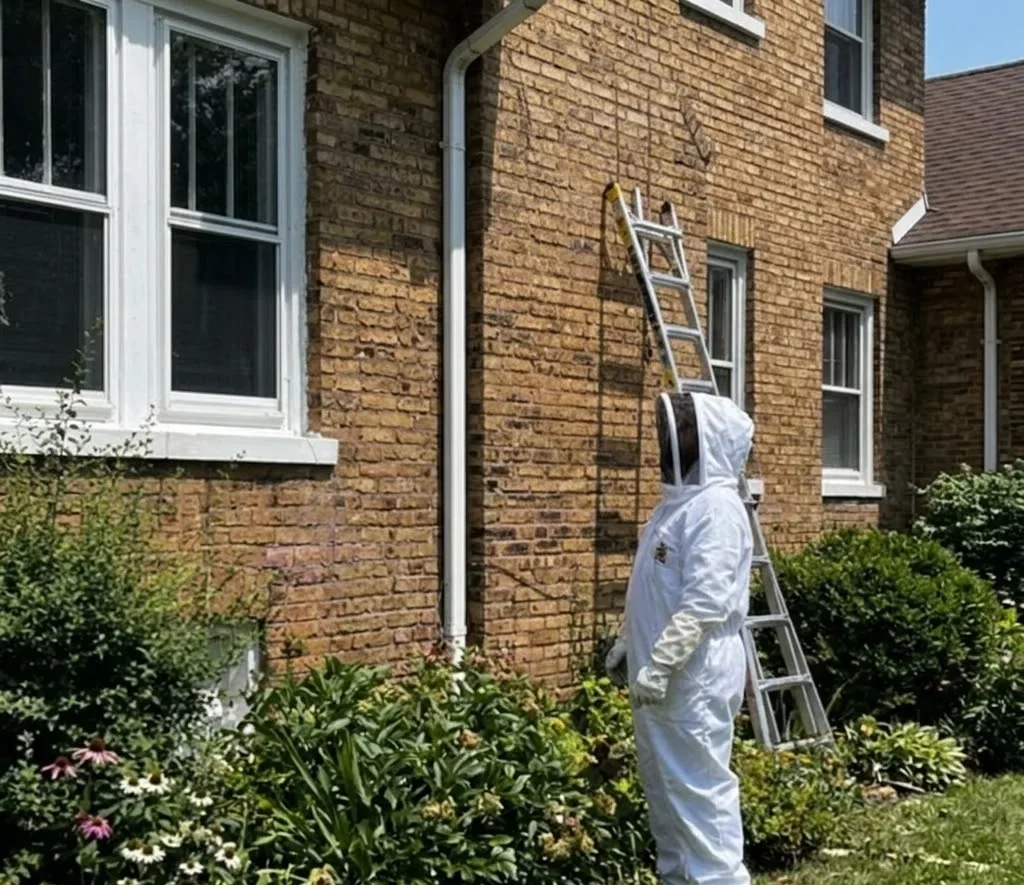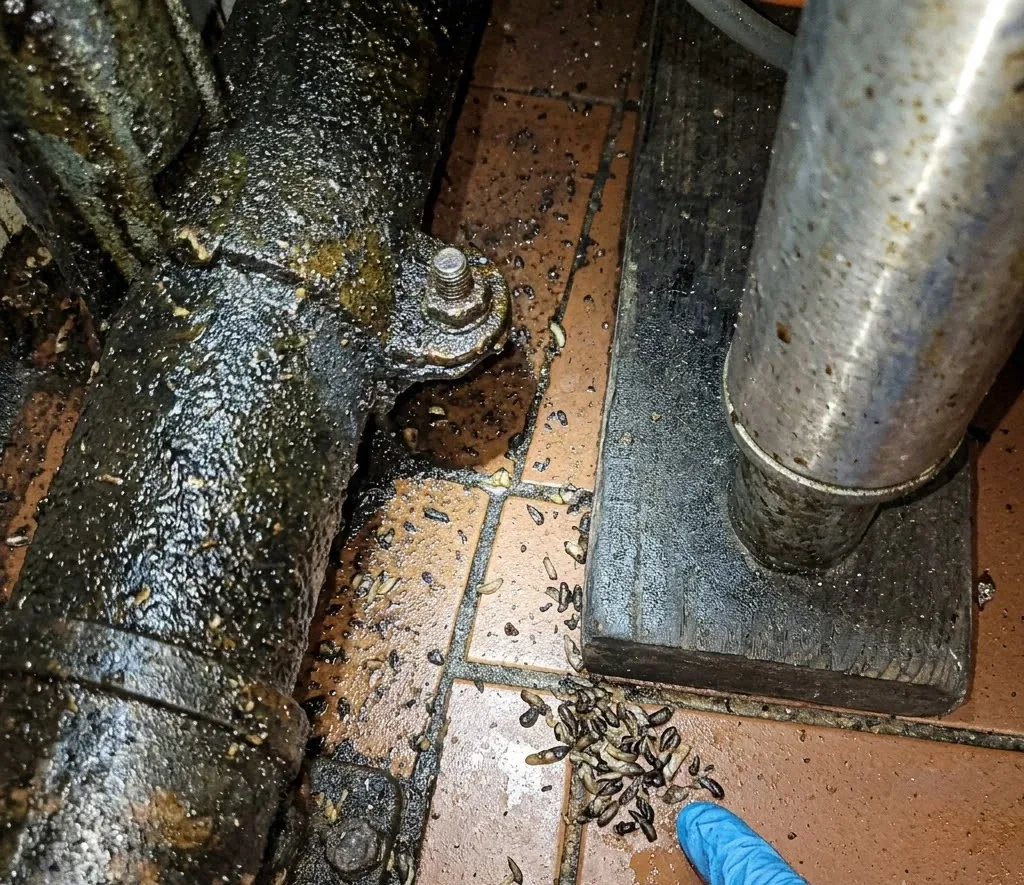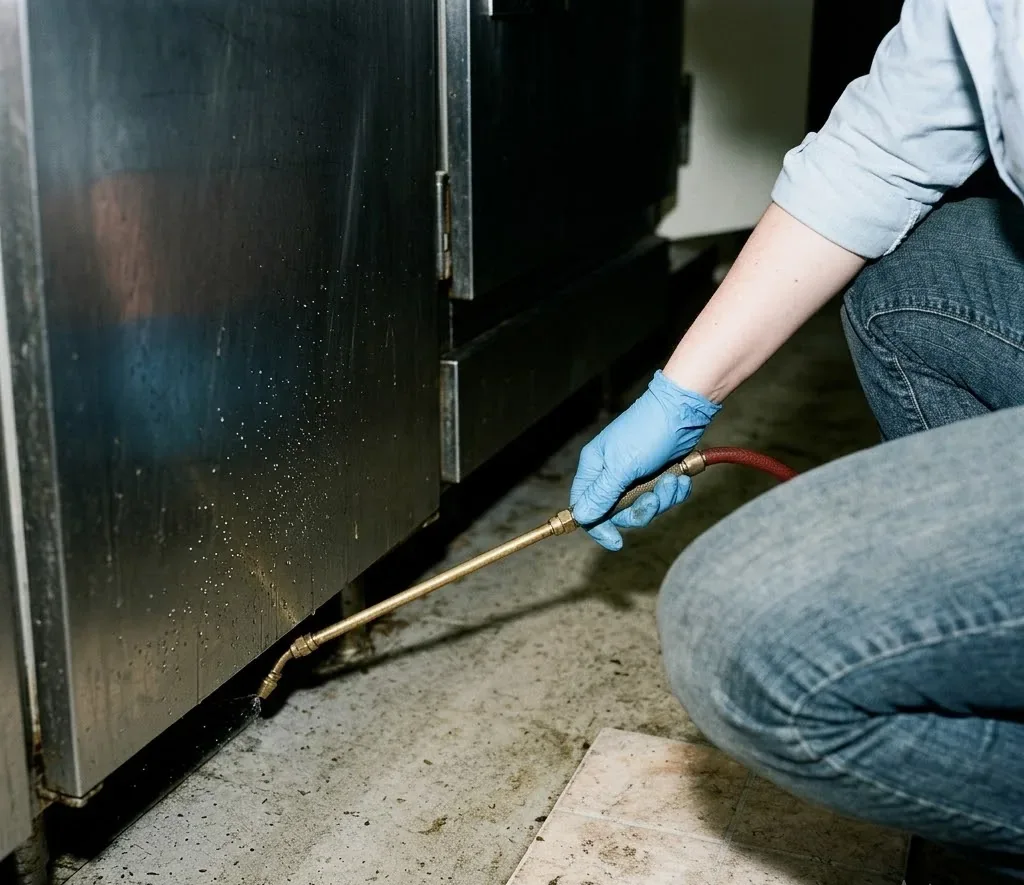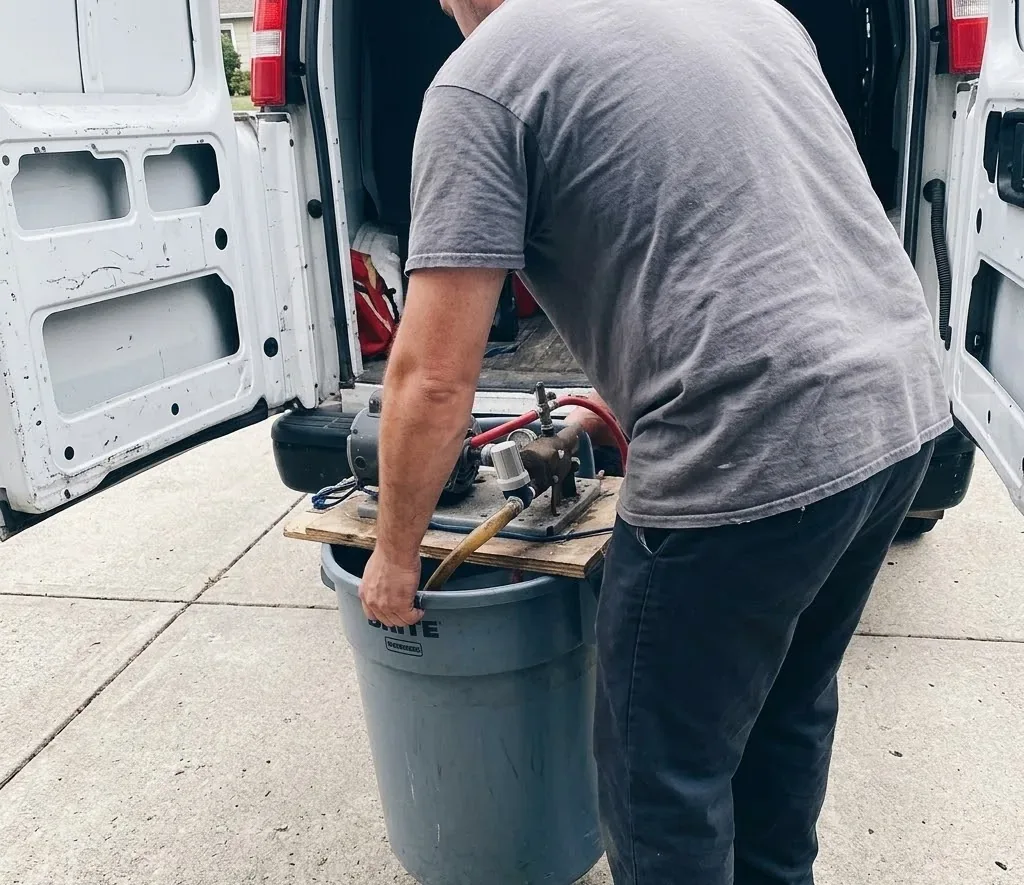
Booking a pest inspection in Clearwater usually means you saw something, a roach behind the fridge, droppings in a kitchen drawer, or a chewed corner in the attic above your garage. The visit itself is not a treatment. It is a walk-through where someone trained to read a house looks for evidence, conducive conditions, and how far a problem has actually spread before anyone talks about fixing it.
How long the visit actually takes
Most inspections run 30 to 60 minutes depending on the size of the home and whether it is a slab house near Countryside or an older place off Cleveland Street with more nooks to check. The inspector moves at the pace of the house, not the clock, so a two-story near Del Oro Groves with a full attic takes longer than a single-story rental.
What actually gets opened and checked
Expect the inspector to open kitchen and bathroom cabinets, pull back a corner of insulation in the attic, check behind and under large appliances, and look along the slab perimeter outside where siding meets ground. Weep holes, utility penetrations, and gaps around pipes near an exterior faucet all get a look, since those are common ways pests move between outside and in.
Questions they will ask you
Before or during the walk-through, expect questions about what you saw and when, whether it was one bug or a pattern, any recent water leaks, and whether nearby neighbors along the same street have mentioned similar problems. Renters near North Greenwood or Skycrest get asked how long the unit sat vacant before move-in, since that changes what settled in.
What the inspector is actually looking for
Beyond the pest itself, the inspector is reading the house for conditions that invite trouble: standing water near the foundation after a rainy-season downpour, gaps around soffits that let squirrels reach the attic, mulch piled against siding, or a door sweep worn thin enough to let ghost ants through. These conducive conditions matter as much as any live insect found that day.
What you get when it is over
At the end, you get a plain explanation of what was found, where, and how bad it is, plus a written report you can keep. For termites specifically, that report follows its own separate form and is a different document entirely. For everything else, expect a summary of entry points and conditions, with next steps left as your decision, not a pitch.
Dealing with this in your home?
Rainy season floods yards from Countryside to Sand Key, and pests move indoors the moment ground gets wet. If your Clearwater address keeps ending up on this list, get someone to look before signing a lease or a repair estimate. Dial (727) 558-4422 and describe what you're seeing; that's usually enough to know the next step.