In Clearwater, pest activity doesn't pause for winter, so the schedule question isn't about a seasonal off-ramp — it's about matching interval to what's actually breeding. Quarterly treatment covers most homes near Countryside or the Old Bay District: enough to reapply before residual protection fades. Monthly makes sense closer to standing water or heavy tree cover. A one-off works only for an isolated problem, not ongoing activity with no freeze to slow it down.
Quarterly fits most homes on the coast
Four visits a year keeps a barrier in place through rainy season and the drier months that follow, without gaps long enough for activity to rebuild. That interval works whether a house sits closer to Sand Key or further inland toward Countryside, because the climate driving pest pressure barely changes between them.
Where monthly attention pays off
Older homes near Fort Harrison Avenue or lots backing onto Moccasin Lake Nature Park often carry more moisture and more cover, which means shorter gaps between visits. Monthly service reapplies protection before it has time to wear thin, which matters more on properties where standing water or dense landscaping keeps pressure high.
When a single visit covers it
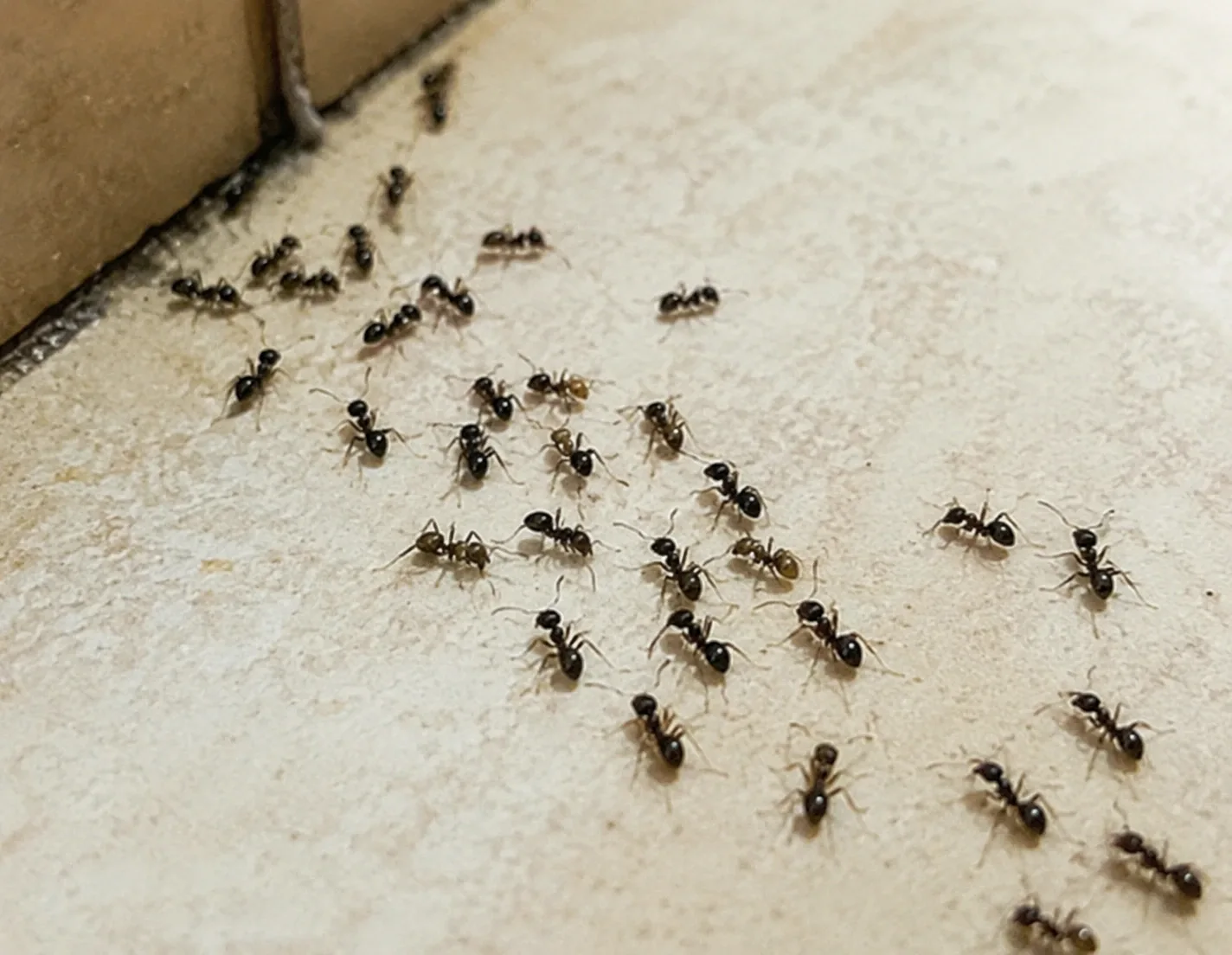
A one-time treatment fits a narrow problem: a wasp nest under an eave, an ant trail into a kitchen near Skycrest, or a home being prepped for sale. The trade-off is that a one-off addresses what is visible now and does not carry any coverage into the next season.
Why waiting costs more later
Skipping service until something shows up means the treatment is always reacting to a colony or nest that already has a foothold. Because Clearwater does not get a stretch of cold that thins pest numbers on its own, an untreated gap tends to fill in faster than it would in a place with a real seasonal pause.
Dealing with this in your home?
Rainy season floods yards from Countryside to Sand Key, and pests move indoors the moment ground gets wet. If your Clearwater address keeps ending up on this list, get someone to look before signing a lease or a repair estimate. Dial (727) 558-4422 and describe what you're seeing; that's usually enough to know the next step.