Offices
Shared walls, shared blame
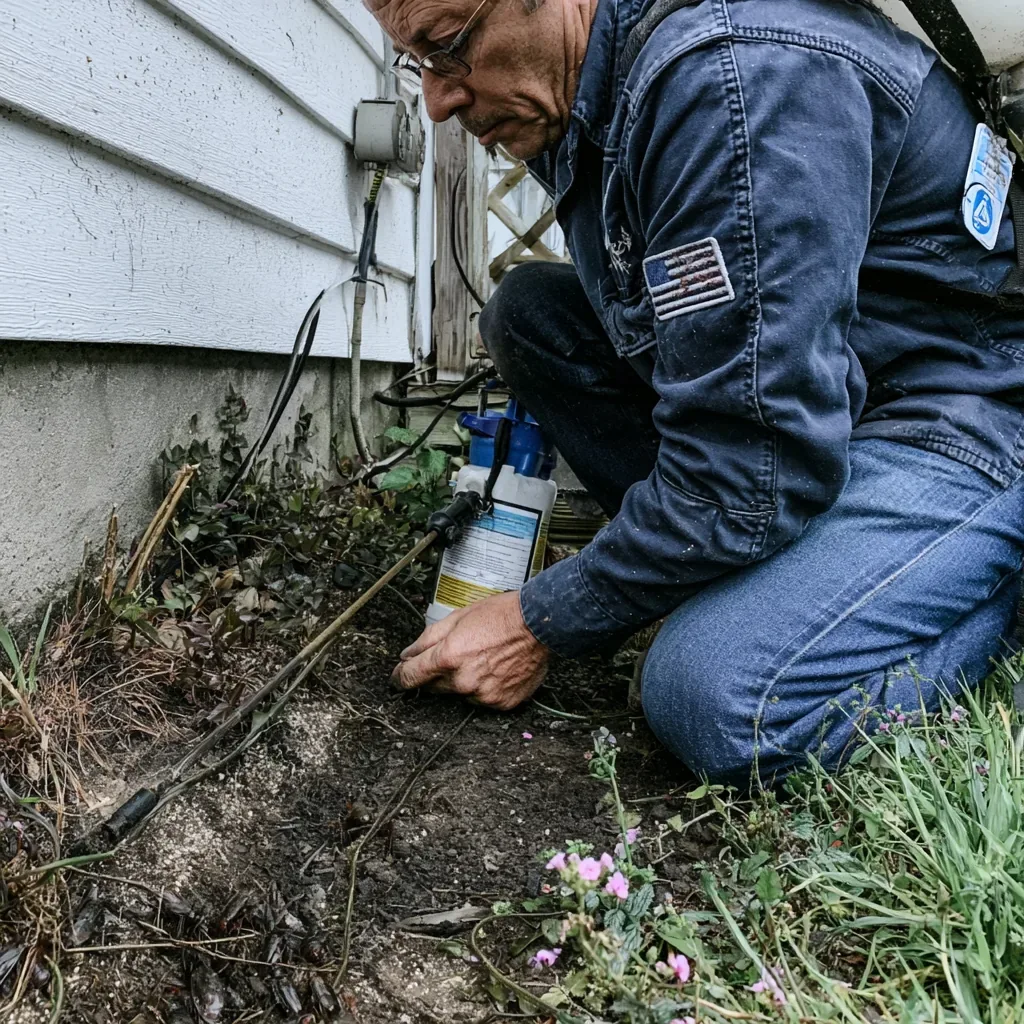
A single bad review outlasts any treatment plan a property runs.
Treat the room where bed bugs were confirmed plus the rooms sharing its walls, floor and ceiling, based on an actual inspection, not a guest's description alone. Launder or heat-treat linens, encase the mattress and box spring, and recheck with monitors before selling the room again. Most properties hold the room a few nights rather than a full remediation cycle, and staff training on early signs matters more than any single treatment.
A guest posts about bites from a night at a Clearwater Beach motel before the front desk even hears the complaint. That review sits next to the listing for years. Whether the mark came from a bed bug or a mosquito picked up walking the Intracoastal Waterway barely matters once it is typed. The business now has a public problem before it has a confirmed one.
So the inspection has to move faster than the guest's patience. A report of marks on skin gets a same-day room check, headboard, seams, luggage rack, before anyone decides whether to move the guest or just note it. Guessing wrong either way costs money: closing a clean room loses a night for nothing, clearing a bad one sends the problem to the next floor.
A confirmed find in one room changes what happens next door, and next door's neighbor. Clearwater properties running a full floor of rooms, from a Gulf-front tower on Sand Key to a smaller motel off Gulf to Bay Boulevard, treat the find as a reason to check adjoining rooms on the same turnover cycle, not just the one that complained.
Put the numbers next to each other. A pest program with regular inspection and staff trained to catch early signs costs a fixed, known amount each month. A single public review naming bed bugs costs nothing to post and can sit above the listing on a search page indefinitely, discouraging bookings long after the room is clear.
Housekeeping is the daily inspection whether it is labeled that way or not. Someone stripping a bed on Clearwater Beach or in a rental near Island Estates sees the headboard and mattress seam more often than any scheduled visit does. Training that staff to flag a live insect or a rust-colored spot, rather than just clean around it, catches most problems before a guest ever notices.
Luggage is the part a hotel cannot inspect on the way in. A bag that sat open in a room in another city can carry the problem straight past the front desk in Clearwater. Staff can watch for it anyway: a bag stored off the floor, a guest reporting bites within their first night, a request to check a room again before they unpack fully.
A guest should be able to stay through a service visit in the next room without knowing one happened. That means no branded uniform through the lobby, no equipment left in the hallway, and a service entrance route worked out with the property ahead of time rather than improvised on the day a problem turns up.
Occupied floors get treated the same way as any other floor, just on a schedule that respects who is sleeping where. A room confirmed in the morning can often be worked before the evening's arrivals, with the guest's own bags handled separately rather than moved back in against a treated headboard or bed frame.
Timing follows the same logic during Clearwater's rainy season, June through September, when housekeeping carts and linen already sit longer in humid corridors near Cleveland Street hotels and beachfront properties alike. An inspection works better in daylight with the bed stripped and the room otherwise empty, not squeezed between checkout and a same-day turnover.
Almost everything found in a Clearwater hotel room arrived with a guest. A suitcase set on a bed at a stopover, a jacket left on a chair, a laundry bag brought from home. Rooms near Clearwater Beach and Sand Key see the heaviest turnover of visitors from elsewhere, which is exactly why staff training on early signs matters more there than in a slower building.
The useful check happens at checkout, before housekeeping strips the bed. A pillow lifted at the corner, a look along the headboard mount, the luggage rack opened flat instead of glanced at. Properties near Clearwater Beach and Sand Key turn rooms fast in season, so this five-minute pass is the difference between catching one bug and reading about ten in a review.
A hotel near Clearwater Beach or Sand Key doesn't get a slow response when a guest reports bites overnight. The room comes off the board, housekeeping bags linens separately, and the headboard and mattress seams get checked before any treatment starts. Neighboring rooms get looked at too, since luggage moves bugs sideways as easily as forward. It stays quiet, and it stays fast.
Slab homes near Old Tampa Bay and Alligator Creek get this workDunedin, Safety Harbor and Largo. Near Countryside or Belleair but not quite inside the zone, ask anyway since routes often reach that far
Sites near Countryside or the Cleveland Street District typically start around an estimated $89–$249 a visit. Floor plan, storage areas, and how much paperwork the account requires all factor into the final number.Commercial walkthroughs around Clearwater, from Cleveland Street storefronts to Countryside offices, cost nothing and end with a written scope, not a verbal guess. Nothing gets scheduled until the paper matches what was discussed. Full bands sit on the /cost page. pricing guide, and the commercial overview covers how a scheduled program works.
Shared walls, shared blame
What's on the shelf, and who saw it first
Big doors, deep racking, fast freight
Count it in nights the room sits empty, not treatments performed. A single confirmed room, inspected and treated along with its contents, can often go back into service within a few nights if nothing turns up on the follow-up check. A property that skips the follow-up and rebooks early is the one that ends up reopening the same room later.
Inspect upholstered furniture before it enters a room, not after a guest complains. A pulled chair or added headboard from storage is the one item nobody thinks to check on delivery. Look at seams and the underside before it goes anywhere near a bed, and keep that inspection as a separate step from routine turnover cleaning.
Put it in the work order, not left to the technician's judgment that day. Service entrance only, nothing branded through the lobby, equipment carried in a closed case rather than an open kit. A property that states this once, in writing, gets it followed every visit instead of hoping the crew remembers on their own.
Stop and leave the room as found. Don't strip the rest of the bed, don't vacuum, don't pull furniture into the hallway where it can carry the problem to a cart or another room. Photograph what was seen, close the door, and get the inspection scheduled before anyone else goes back in to tidy it up.
A guest complaint deserves a real inspection before a room comes off the books, not a guess made at the front desk. Tell the pros we connect you with which rooms are involved and what staff saw, and get a plan that keeps the rest of the floor selling while that room gets handled properly.
Call (727) 558-4422